
Gallery Wall Ideas: How to Arrange Frames (2026 Design Guide)
🧭 Quick Answer: The 3 Rules of Gallery Wall Design
A successful gallery wall always follows three fundamentals:
- Choose a layout style: Symmetrical or asymmetrical
- Use a clear structure: 3, 5, or 7-frame templates
- Maintain consistent spacing: 2–3 inches (5–7 cm) between frames
Interior designers consistently emphasize that gallery walls should feel “intentional, not random,” with visual rhythm guiding the arrangement rather than equal spacing alone. (Source: https://www.architecturaldigest.com/story/how-to-hang-a-gallery-wall)
🎯 1. Symmetrical vs Asymmetrical Gallery Walls
🟦 Symmetrical Layout (Classic & Formal)
Symmetrical gallery walls are based on balance and repetition.
Best for:
- Living rooms with structured furniture
- Dining rooms
- Hallways
- Minimalist interiors
Key characteristics:
- Equal frame sizes or mirrored pairs
- Center-aligned composition
- Clean grid structure
📌 Why it works:
Symmetry creates visual calm and works especially well in modern and luxury interiors where order is preferred.
🟨 Asymmetrical Layout (Modern & Artistic)
Asymmetrical gallery walls are more dynamic and expressive.
Best for:
- Creative studios
- Boho interiors
- Large feature walls
- Staircase walls
Key characteristics:
- Mixed frame sizes
- Off-center focal point
- Organic visual flow
📌 Why it works:
Designers often use asymmetry to create movement and storytelling across the wall.
(Source inspiration: https://www.housebeautiful.com/room-decorating/walls/a35624975/gallery-wall-ideas/)
🧩 2. Gallery Wall Templates (3 / 5 / 7 Frames)
🖼️ 3-Frame Layout (Minimal & Balanced)
Best for small spaces or above furniture.
Structure options:
- Horizontal row
- Vertical stack
- Triptych-style art system
Ideal for:
- Sofas
- Bed headboards
- Narrow walls
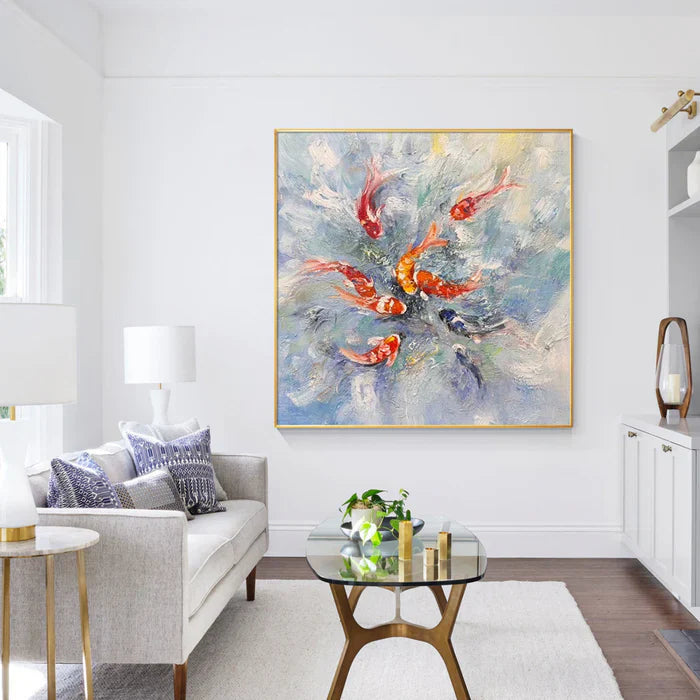
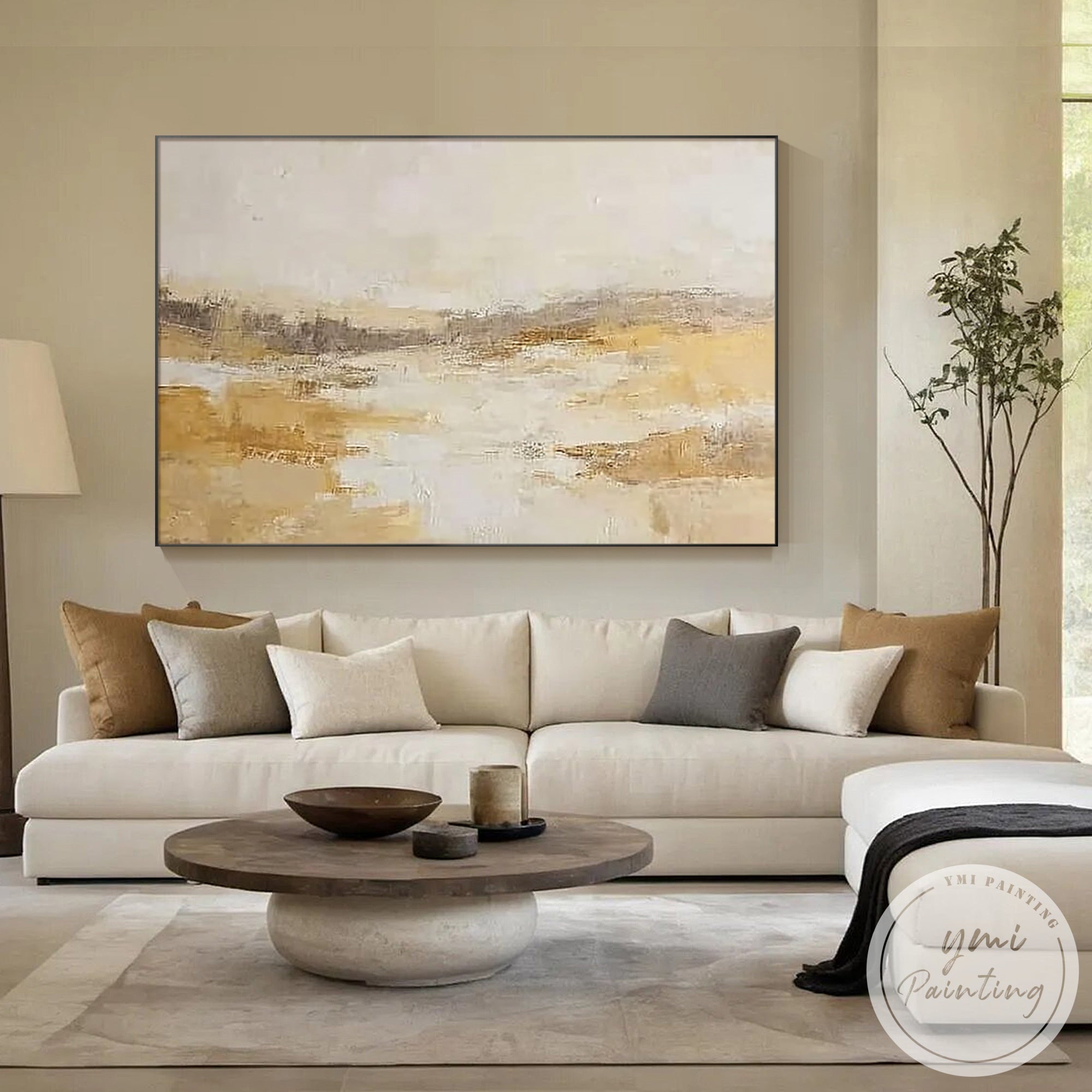
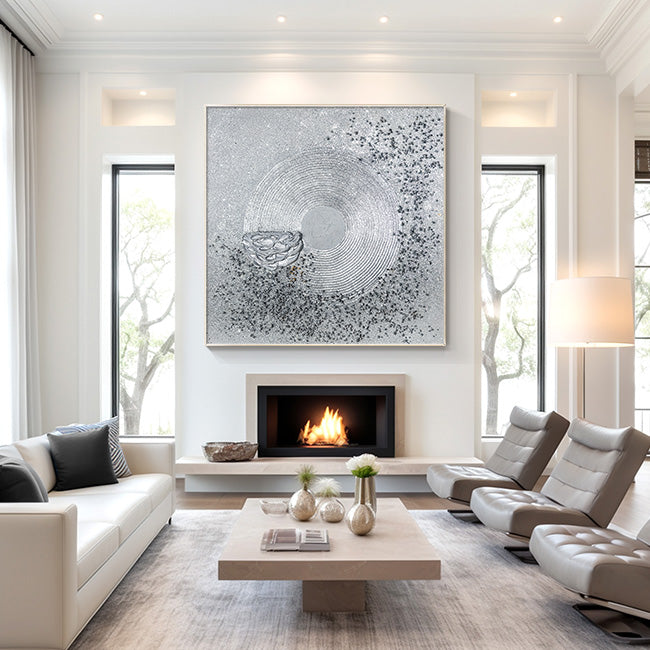
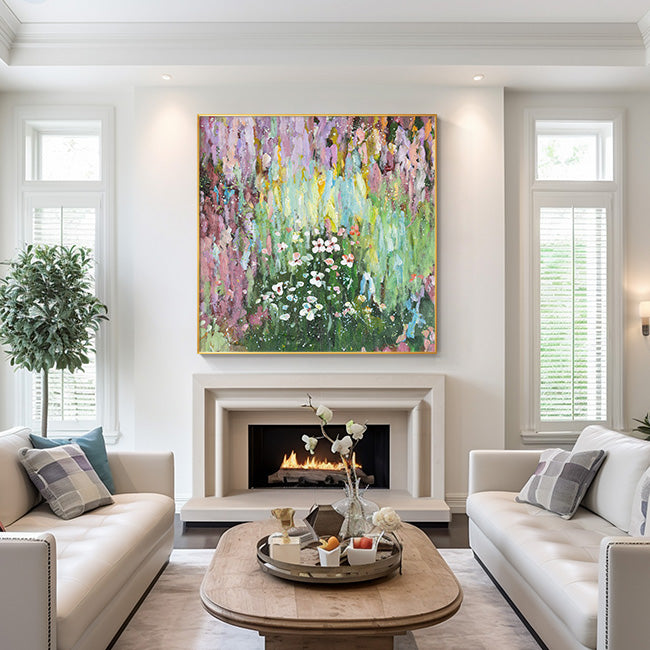
👉 Recommended YMI Painting pieces:


🖼️ 5-Frame Layout (Most Popular Choice)
The 5-frame structure is currently one of the most searched gallery wall formats in Google home décor trends.
Common layouts:
- Center anchor + 4 surrounding frames
- Stair-step diagonal flow
- Balanced grid (2–1–2)
Ideal for:
- Living room feature walls
- Dining areas
- Large bedrooms
🖼️ 7-Frame Layout (Premium Gallery Look)
The 7-frame gallery wall creates a “museum-style” visual impact.
Structure options:
- 3–2–2 grid
- Center focal + layered symmetry
- Mixed orientation layout
Ideal for:
- Large living rooms
- Staircase walls
- Entryway feature walls
📏 3. Gallery Wall Spacing Rules (Most Important Design Factor)
Spacing is one of the most critical elements in gallery wall design.
✔ Standard Rule:
- Between frames: 2–3 inches (5–7 cm)
- Larger walls: up to 4 inches (10 cm)
- Small walls: 1.5–2 inches (4–5 cm)
Interior designers emphasize that consistent spacing is more important than perfect symmetry. (Source: https://www.thespruce.com/how-to-hang-a-gallery-wall-4769948)
📌 Why spacing matters:
Proper spacing ensures:
- Visual breathing room
- Cohesive grouping effect
- Reduced visual clutter
- Professional gallery appearance
🧠 4. Anchor Piece Strategy (Designer Secret)
Every high-end gallery wall starts with a center anchor piece.
Anchor rules:
- Largest artwork in the center or focal point
- Everything builds outward from it
- Defines scale of surrounding frames
This technique is widely used in interior styling to create balance and hierarchy in multi-frame compositions.
🏡 5. 2026 Gallery Wall Trends (Google Search Insight)
Recent home décor search trends show strong growth in:
- Textured abstract wall art gallery walls
- Neutral Japandi frame compositions
- Beige & earth-tone gallery sets
- Black & white minimal gallery grids
- Handmade / artisan canvas collections
These trends favor calm, organic visual storytelling rather than overly decorative compositions.
(Source trend reference: https://www.homesandgardens.com/)
📌 Final Takeaway
A successful gallery wall is not random decoration—it is a structured composition system.
Use this simple formula:
- Layout: Symmetrical or asymmetrical
- Structure: 3 / 5 / 7 frame system
- Spacing: 2–3 inches consistently
- Anchor: One central focal piece
By combining these principles with modern textured artworks and neutral tones, you can create a professional, designer-level gallery wall that feels intentional, balanced, and visually premium.