Article: One Large Painting or a Triptych? How to Choose Art for Long and Wide Walls

One Large Painting or a Triptych? How to Choose Art for Long and Wide Walls
Choosing artwork for a large, empty wall can be challenging. Should you choose one oversized painting that creates a bold focal point, or a triptych that spreads visual interest across the space? Both options can transform a room, but the best choice depends on your wall dimensions, furniture layout, interior style, and the atmosphere you want to create.
In this guide, we’ll explore the differences between single large paintings and three-panel wall art, explain how to choose the right proportions for your space, and share practical styling tips to help you find the perfect artwork for your home.
1. What Is the Difference Between a Single Large Painting and a Triptych?
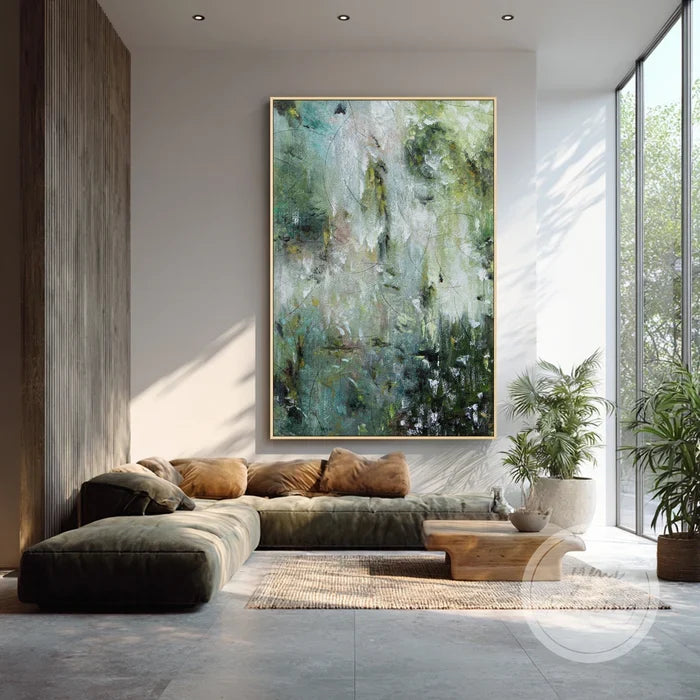
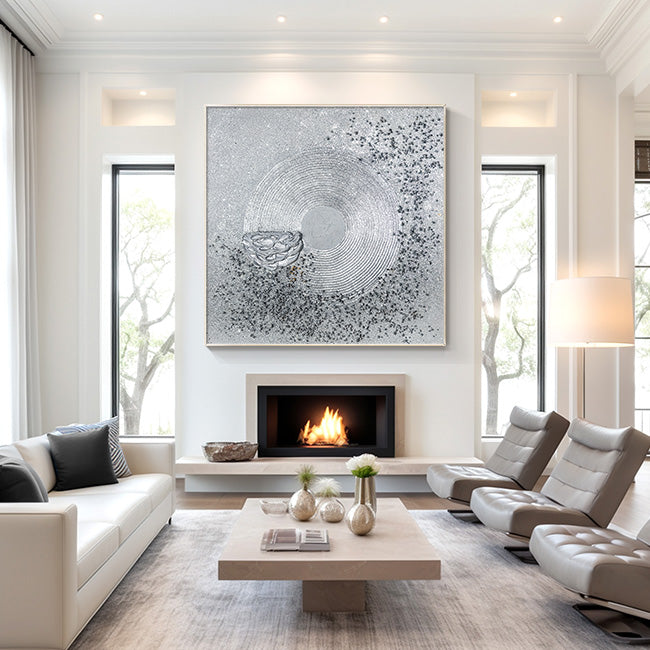
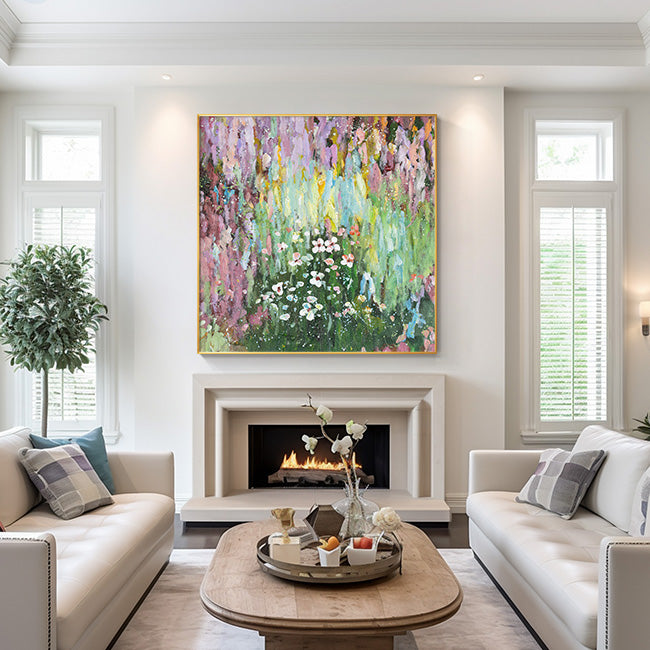
A single large painting is one artwork designed to make a statement. It creates a unified focal point and works particularly well in interiors where simplicity, balance, and visual impact are important.
A triptych consists of three separate panels that form one coordinated composition. The panels may feature a continuous image or complementary colors, shapes, and textures. Together, they create a wider visual presence while introducing rhythm and structure to a wall.
Choose a single large painting if you want:
-
A clean, cohesive focal point without visual interruptions.
-
A strong artistic statement above a sofa, bed, or fireplace.
-
A minimalist, contemporary, or sophisticated interior.
-
One continuous composition that allows the artwork to stand out.
Choose a triptych if you want:
-
A balanced arrangement across a wide wall.
-
A sense of movement and visual rhythm.
-
Artwork that complements a long sofa, dining table, or spacious open-plan room.
-
A multi-panel design that adds structure to a large interior.
Neither option is universally better. The key is choosing artwork that complements the proportions and character of your room.

2. How to Choose Art for a Long Wall
Long walls often look empty when the artwork is too small or positioned without considering the surrounding furniture. The goal is to create a visual connection between the artwork and the room rather than simply filling the available space.
Option A: One Oversized Painting
A large horizontal painting can anchor a long wall and create a strong focal point. This works especially well above a sofa, a low console table, or a long dining table.
For example, an oversized abstract painting in ivory, beige, champagne gold, or earthy tones can bring warmth and texture to a neutral living room. A blue ocean-inspired painting or a dramatic mountain landscape can introduce color and depth into a more contemporary interior.
A single painting is particularly effective when it features interesting details, such as raised 3D textures, expressive brushstrokes, or a flowing abstract composition. These features give the piece enough visual interest to stand on its own.
Option B: A Three-Panel Triptych
A triptych is an excellent choice when you want to emphasize the horizontal proportions of a wall. The three panels can visually extend across a sofa or dining area, creating a balanced arrangement.
Continuous abstract compositions, textured neutral paintings, and landscape-inspired artwork are particularly suitable for this format. Repeating shapes and coordinated colors help connect the panels, while the spaces between them create a subtle sense of rhythm.
When planning a triptych, consider both the width of the three panels and the gaps between them. The complete arrangement should feel intentional rather than scattered.

3. How Wide Should Your Artwork Be?
One of the most important considerations is the relationship between your artwork and the furniture beneath it.
As a general interior styling guideline, artwork above a sofa or console table often looks balanced when its total width is approximately 60%–75% of the furniture width. This is a starting point rather than a strict rule; room proportions, ceiling height, and the visual weight of the artwork also matter.
For a triptych, measure the full arrangement, including the gaps between panels, rather than considering each panel separately.
Example:
If your sofa is 100 inches wide, an artwork arrangement measuring approximately 60–75 inches wide may be a useful starting point. If you have a particularly large wall or a spacious living room, a larger statement piece may work better.
For a wall without furniture, consider the available wall width, nearby windows and doors, and the visual balance of the entire room. Avoid choosing artwork solely because it fills the largest possible area.
4. Consider the Height and Shape of Your Wall
The width of your wall is only part of the decision. Ceiling height and the surrounding architecture can influence whether a single painting or a triptych feels more natural.
For long, low walls: A horizontal painting or a wide triptych can reinforce the horizontal lines of the room and create a calm, balanced appearance.
For wide walls with high ceilings: An oversized painting with substantial visual presence can prevent the wall from feeling underdecorated. A triptych with larger panels can also work well when the composition needs to extend across a broad area.
For open-plan living and dining spaces: A single statement painting can define a seating area, while a triptych can help establish visual continuity along a long wall.
Before ordering, consider the wall's usable area, including any molding, light switches, furniture, and nearby architectural features.

5. Match the Artwork to Your Interior Style
The right format should complement your interior rather than compete with it.
Minimalist and Japandi Interiors
A single oversized painting in warm white, ivory, oatmeal, or soft beige can reinforce the simplicity of a minimalist room. Subtle 3D textures add depth without introducing too many colors or patterns.
Modern Luxury Interiors
Large abstract paintings with champagne gold accents, sculptural textures, or carefully balanced neutral tones can create an elegant focal point. A single canvas emphasizes the overall composition, while a coordinated triptych can extend the effect across a wider wall.
Contemporary and Eclectic Interiors
A triptych with expressive colors or flowing abstract forms can introduce movement and personality. Alternatively, a single bold painting can provide contrast against understated furniture and architectural details.
Nature-Inspired Interiors
Mountain landscapes, ocean-inspired artwork, botanical compositions, and earthy abstract paintings can all work beautifully as either single pieces or multi-panel arrangements. Choose the format according to the composition and the proportions of your wall.
6. Why Texture Matters When Choosing Large Wall Art
When selecting artwork for a large wall, color and size are important, but texture can make an equally significant difference.
A large flat canvas can create a clean, graphic focal point. A hand-painted textured artwork, however, introduces depth, dimension, and subtle shadows that change with the lighting throughout the day.
For example, a neutral 3D textured painting can add visual interest to a cream-colored living room without disrupting its calm palette. Gold-accented abstract art can bring warmth to a modern luxury interior, while layered blue textures can evoke the movement of ocean waves.
If you prefer a triptych, consider how the textures and composition connect across all three panels. A well-coordinated arrangement should feel like one complete artwork rather than three unrelated pieces.

7. Single Painting or Triptych: Which Is Easier to Style?
A single large painting is often the simpler choice when you want one clear focal point. There is only one composition to position, and the artwork can establish the color palette for the rest of the room.
A triptych requires a little more planning. The panels need to be aligned, the spacing should be consistent, and the overall arrangement should be centered in relation to the furniture or wall.
Before hanging a triptych, measure the full width of the composition and mark the intended positions of all three panels. You can also use paper templates to preview the arrangement before installing the artwork.
For either option, consider the frame, canvas edges, lighting, and surrounding decor. These details help create a polished result.
8. Can You Order a Custom Painting for a Large or Unusually Shaped Wall?
Absolutely. Standard artwork sizes do not suit every interior, particularly when a wall is unusually wide, a sofa is oversized, or a room has specific color requirements.
Custom wall art allows you to select dimensions, colors, composition, and framing options that better match your space. Depending on the design, you may prefer one oversized canvas or a coordinated multi-panel arrangement.
At YMIPAINTING, we offer original hand-painted artwork, including textured abstract paintings and nature-inspired designs. If you have a particular wall in mind, sharing a photo of the space, its measurements, and your preferred colors can help us understand your requirements.
We can discuss suitable dimensions and customization options to help you find artwork that complements your interior.

Frequently Asked Questions
Is one large painting better than a triptych?
Neither is always better. A single painting creates a unified focal point, while a triptych distributes visual interest across a wider area. The best choice depends on your wall dimensions, furniture, and preferred style.
How much wall space should artwork cover above a sofa?
As a general guideline, artwork can measure approximately 60%–75% of the sofa's width. This proportion can be adjusted depending on the room, ceiling height, artwork design, and surrounding furniture.
Does a triptych work in a minimalist living room?
Yes. A triptych in neutral colors, simple abstract forms, or subtle textures can complement minimalist interiors. Choose coordinated panels and consistent spacing to maintain a clean, cohesive appearance.
Can I customize the size and colors of my wall art?
Custom options depend on the artwork design. At YMIPAINTING, you can contact us to discuss your preferred dimensions, color palette, and framing requirements. Sharing a wall photo and measurements can help us recommend a suitable solution.

Final Thoughts
Choosing between one large painting and a triptych comes down to proportion, composition, and the atmosphere you want to create. A single oversized artwork offers simplicity and a strong focal point, while a triptych provides width, rhythm, and a more structured visual arrangement.
Take the time to measure your wall, consider the furniture beneath it, and think about how color and texture will work with your existing decor. The right artwork should feel connected to the room while expressing your personal style.
Explore the original hand-painted artwork at YMIPAINTING to discover abstract paintings, textured canvas art, and custom options for your space.