
How Personalized Art Helps Preserve Your Most Precious Memories
Some memories are too meaningful to leave inside a photo album or hidden away on a phone.
A wedding day. A child's first steps. A family vacation. The home where you raised your children. A beloved pet. A special person who changed your life.
As time passes, memories can gradually become more difficult to recall in detail. Personalized art offers a meaningful way to bring those memories into everyday life—not simply by displaying a photograph, but by transforming a meaningful moment into something tangible, beautiful, and deeply personal.
From custom family portraits to abstract artwork inspired by a special place, personalized art can turn memories into lasting pieces of home decor. More importantly, research into autobiographical memory and meaningful objects helps explain why physical representations of our experiences can become powerful reminders of who we are and where we come from.

Why Memories Matter to Our Sense of Identity
Autobiographical memory refers to our memories of personal experiences, relationships, and important events from our own lives. Researchers have found that these memories do more than allow us to remember the past—they contribute to the way we understand ourselves across time.
A review of autobiographical-memory research published in Wiley Interdisciplinary Reviews: Cognitive Science describes autobiographical memory as serving multiple functions, including helping people maintain a sense of self, connect with others, and guide their thoughts about the future.
In other words, remembering is closely connected to identity.
The memories we choose to preserve often represent important chapters of our lives. When those memories are transformed into art, they can become visible reminders of the experiences that shaped us.

Personalized Art Turns a Memory Into Something Tangible
Digital photographs are incredibly convenient, but they can also disappear into thousands of files stored on a phone or computer.
A physical artwork is different.
It occupies space. It becomes part of the environment. You see it when you walk through your home, sit in your living room, or enter your bedroom. Over time, the artwork itself can become associated with the memory it represents.
Research published in Current Opinion in Psychology examined the relationship between meaningful possessions and personal memories. The researchers found that objects can help people preserve, embody, display, and recollect meaningful memories.
This provides an important insight into why personalized artwork can feel so meaningful.
A custom artwork is not simply decoration. When it represents an important experience, it can become a physical reminder of a personal story.
When art reminds us of something personally significant, our response to that artwork can become more emotionally powerful.

1. Preserve Family Memories
Family memories are among the most meaningful subjects for personalized art.
A custom family portrait can preserve:
· A growing family
· A wedding or anniversary
· A multigenerational family gathering
· A childhood home
· A special family vacation
· A beloved family tradition
Instead of storing these moments exclusively in digital form, a personalized artwork can give them a permanent place within the home.
For parents and grandparents especially, family artwork can become something that future generations recognize as part of their family history.
The artwork becomes both a decorative object and a visual representation of a shared story.

2. Turn Special Places Into Art
Sometimes our strongest memories are connected to a place.
It might be the house where you grew up, a favorite beach, a city where you met your partner, or a destination that changed your perspective on life.
These places can be transformed into personalized wall art using:
· Abstract landscapes
· Architectural illustrations
· Minimalist line art
· Topographic-inspired designs
· Color-based compositions
· Textured textile artwork
For example, instead of printing a conventional photograph of a childhood home, you could create an abstract composition inspired by its architecture, surrounding landscape, or characteristic colors.
This allows the artwork to preserve the feeling of the place, rather than simply documenting its appearance.

3. Give Loved Ones a Permanent Presence in Your Home
Personalized art can also help preserve memories of people who are no longer with us.
Research into material culture and family possessions has found that everyday objects, photographs, letters, and belongings can provide meaningful connections to loved ones and help people recall relationships and shared experiences.
This does not mean that an artwork replaces a person or prevents memories from changing over time.
Rather, a meaningful object can provide a physical prompt for remembering.
A custom portrait, for example, may remind someone of a loved one's personality, favorite colors, a particular period of life, or a cherished shared experience.
That is one reason personalized artwork can become especially meaningful when displayed in a family room, hallway, bedroom, or another space where it can be naturally encountered every day.
4. Preserve the Feeling, Not Just the Image
One of the most interesting possibilities of personalized art is that it does not have to reproduce a photograph exactly.
In fact, abstraction can sometimes make a memory feel more personal.
Consider a sunset from an unforgettable vacation.
A traditional photograph might reproduce the exact landscape. A personalized abstract artwork could instead use:
· Deep blue for the evening sky
· Warm orange for the sunset
· Soft lavender for distant clouds
· Textured layers to represent the movement of the ocean
· Subtle geometric forms inspired by the surrounding architecture
Every design choice can be connected to a detail of the original memory.
The final artwork therefore becomes a kind of visual memory map.

5. Create Memory Cues Throughout Your Home
A personalized artwork does not require you to open a photo album.
It is already part of your environment.
A family artwork in the living room may become part of everyday family life.
A travel-inspired piece in the entryway can remind you of a favorite destination whenever you come home.
A collection of smaller personalized artworks can create a visual timeline of different chapters of your life.
Because autobiographical memories can be triggered by cues, meaningful visual objects have the potential to become part of this everyday process of remembering. Research on autobiographical memory consistently examines how cues can help people retrieve personal experiences.
6. Personalized Art Can Become a Family Heirloom
Some artwork is purchased for a season.
Other artwork becomes part of a family's story.
A personalized piece can potentially be passed from parents to children and eventually to grandchildren.
Its value may increase not because of its monetary price, but because of the story attached to it.
Imagine a child receiving a custom artwork created from a photograph of their grandparents when they were young.
For the child, the artwork may become a visual connection to family history.
Over time, the piece can accumulate new meaning as each generation adds its own memories and stories.
Research on possessions and memories supports this broader idea: meaningful physical objects can help people preserve and embody memories and can become connected to identity and family history.

7. Art Makes Memory Part of Everyday Life
One of the greatest advantages of personalized artwork is simple: you do not have to open a photo album to experience it.
It is already there.
You might walk past it while making coffee. You might see it while talking with your family. A guest might ask about it, giving you an opportunity to tell the story behind the piece.
In this way, art can transform private memories into shared stories.
The National Endowment for the Arts has also supported research examining the physical, social, and emotional dimensions of engagement with the arts. Its Creative Forces initiative, for example, funds research into how creative arts engagement can support emotional expression and other aspects of well-being.
While this research should not be interpreted as proving that personalized wall art itself provides a medical or therapeutic treatment, it reinforces the broader significance of meaningful engagement with art.
How to Choose a Memory Worth Turning Into Art
Not every photograph needs to become a piece of wall art.
The strongest candidates are usually memories that still create an emotional response when you think about them.
Ask yourself:
What moment would I want to remember ten years from now?
What place immediately makes me feel at home?
Which person has played an important role in my life?
What family story do I want future generations to know?
Which photograph captures an emotion that I want to preserve?
The answer does not necessarily have to be your most beautiful photograph.
Sometimes an imperfect photograph represents a perfect memory.

Choosing the Right Style for Your Personalized Artwork
Once you have selected the memory, consider how you want it interpreted.
Minimalist Personalized Art
Ideal for modern interiors, minimalist artwork uses simple lines, restrained colors, and subtle details.
It works especially well when you want the memory to feel sophisticated rather than overtly photographic.
Abstract Memory Art
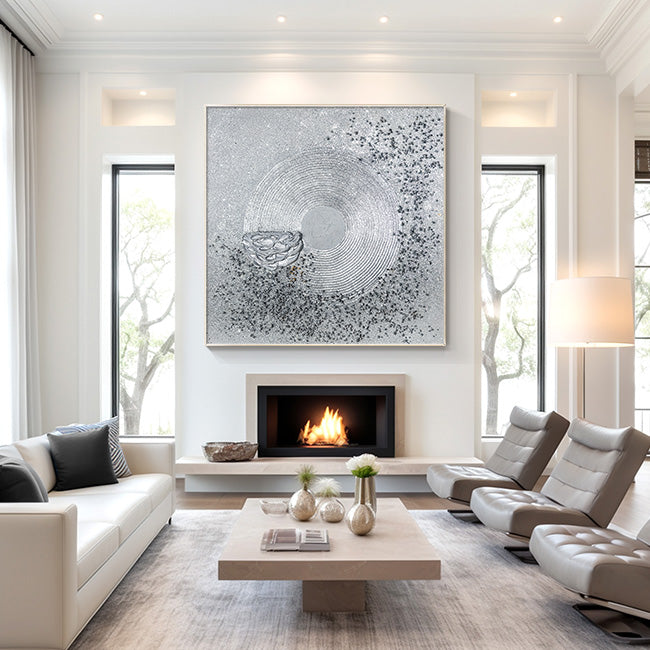
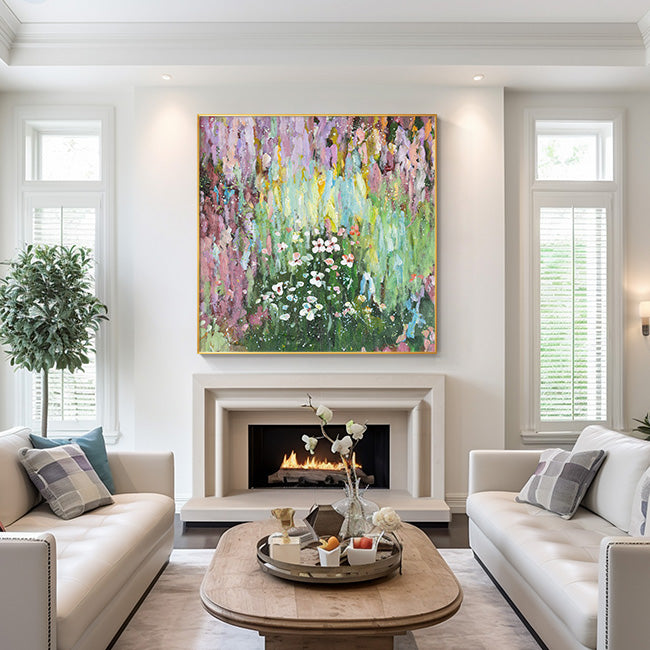
Abstract artwork focuses on emotion, color, movement, and atmosphere.
It is particularly suitable for memories where the feeling of the experience matters more than exact visual representation.
Textured Textile Art
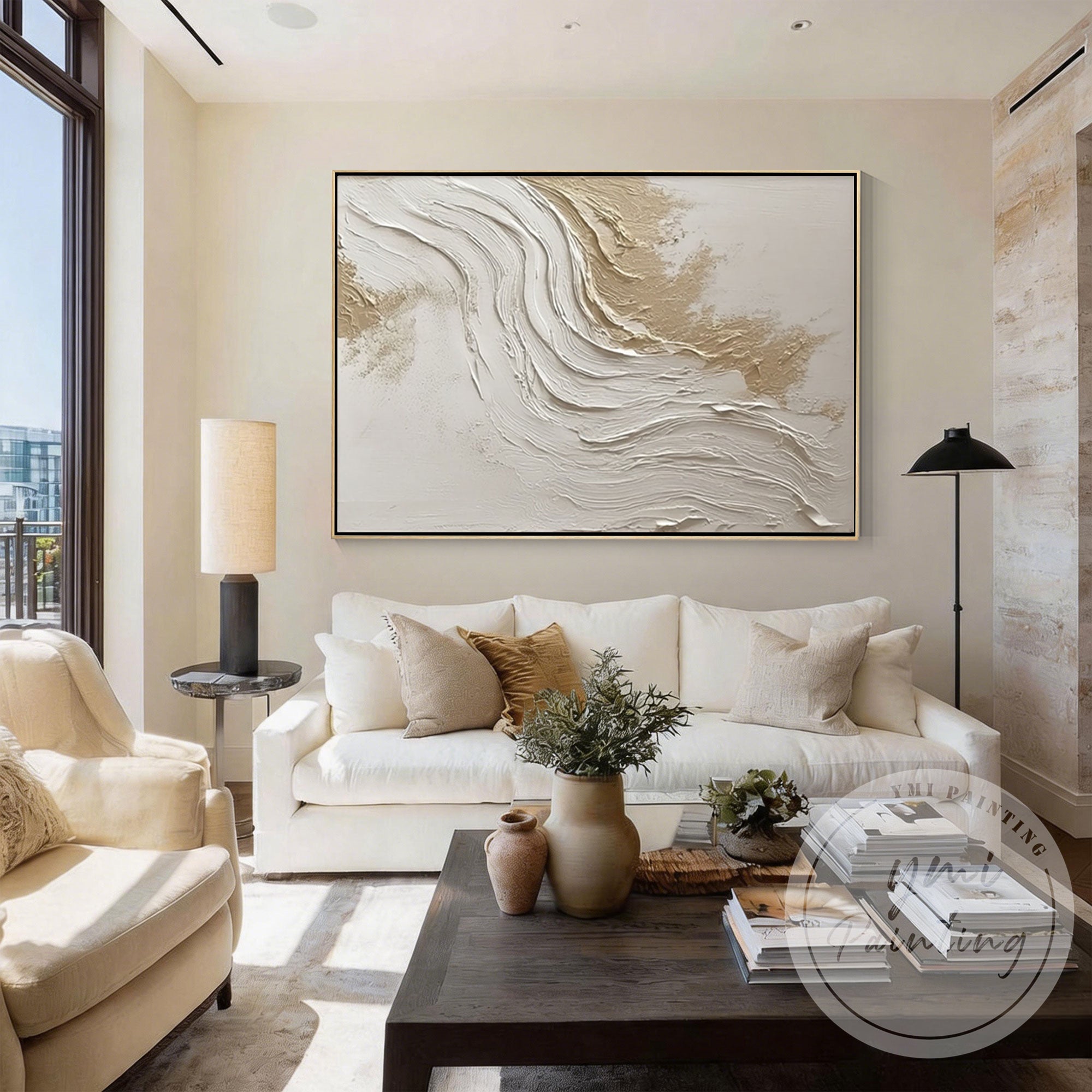
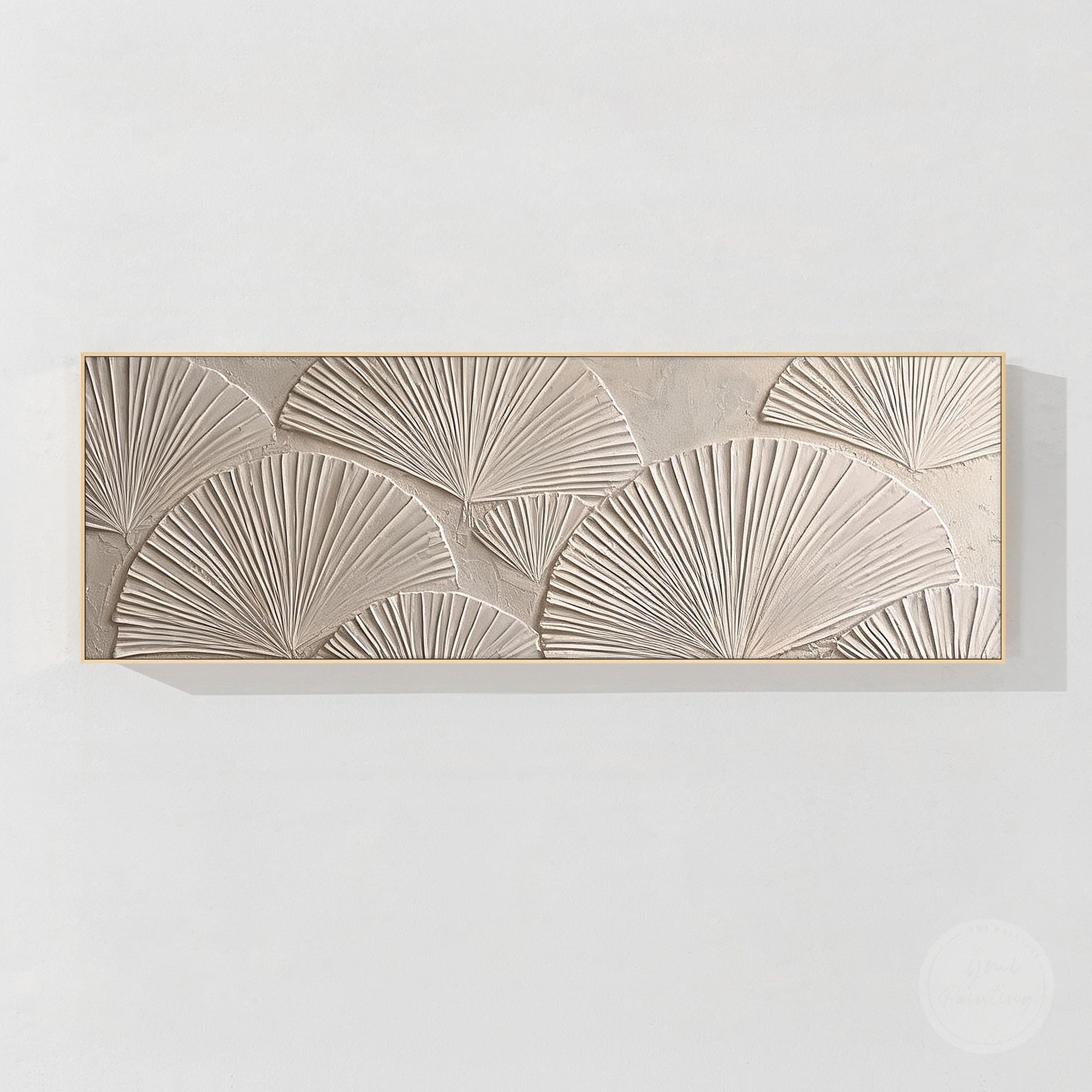
Textile-inspired artwork adds physical depth through woven, raised, layered, or tactile surfaces.
This approach can make a memory feel more like an object with history rather than a conventional printed image.
Personalized Portrait Art
Portraits are ideal for celebrating family members, couples, children, pets, or people whose presence has shaped your life.
The portrait can remain realistic or be interpreted through a contemporary artistic style.
The Future of Memory Is Not Only Digital
We live in a world where almost every important moment can be photographed.
But taking a photograph and preserving a memory are not necessarily the same thing.
Thousands of images can become difficult to organize, revisit, or emotionally distinguish from one another.
A thoughtfully created piece of personalized art takes one meaningful moment and gives it attention.
It says: This memory matters.
That physical presence can make the memory part of the environment in which you live.
Recent research has even found that aesthetic experiences can be strengthened when viewers spontaneously connect artworks with specific autobiographical memories.
Rather, the research helps explain why art connected to our own experiences can feel especially meaningful. 
Final Thoughts: Turn Your Memories Into Something You Can See
The most precious memories of our lives are often intangible.
We cannot hold the sound of a child's laughter, the feeling of a wedding day, or the atmosphere of a favorite family vacation.
But we can create something that reminds us of those experiences.
Personalized art provides a meaningful bridge between memory and the physical world. Through portraits, landscapes, abstract compositions, colors, textures, and carefully selected details, an ordinary wall can become a visual record of the life you have lived.
The best personalized artwork does not simply show a beautiful image.
It tells a story.
And years from now, when you look at that artwork again, it may do something even more valuable—it may help you remember why that moment mattered in the first place.