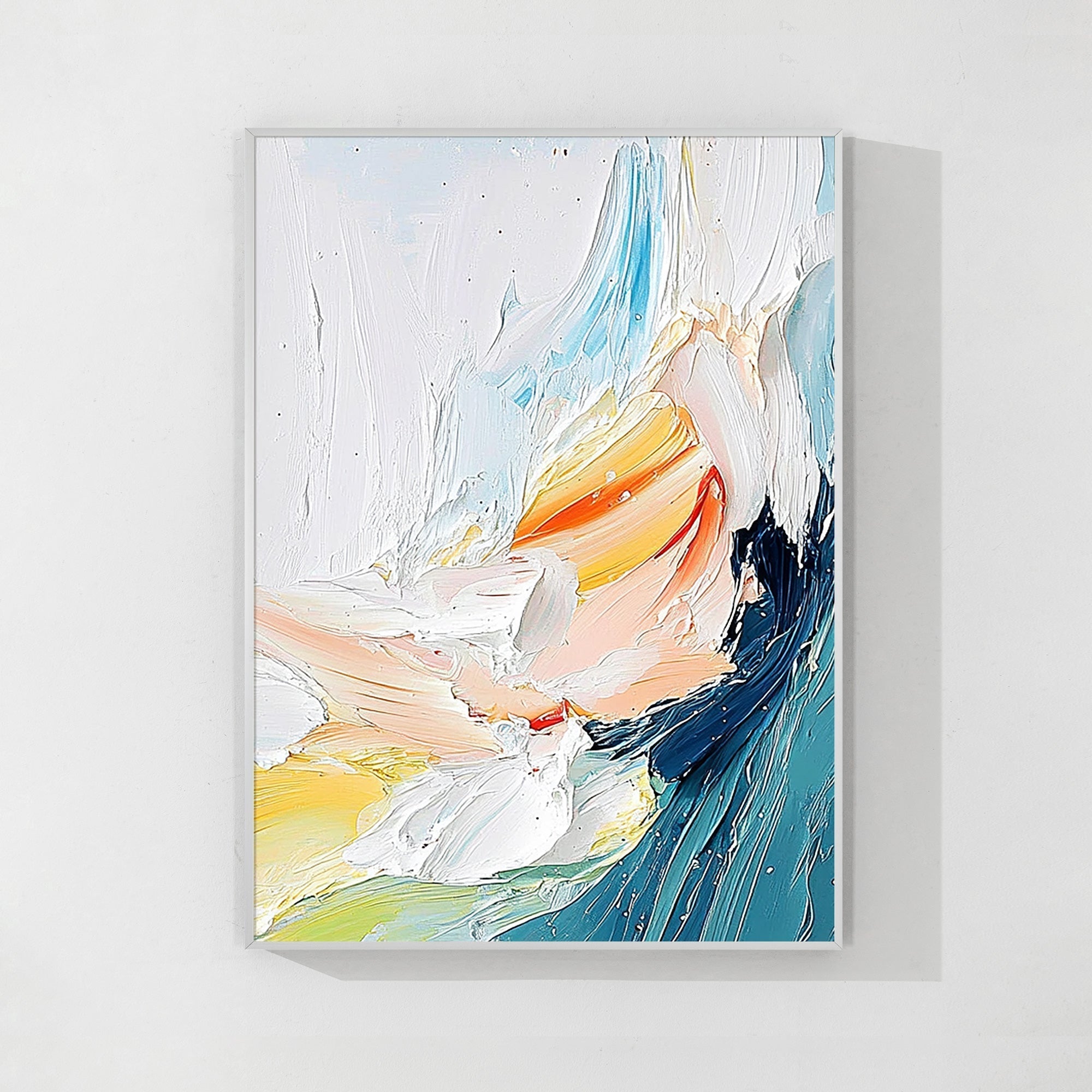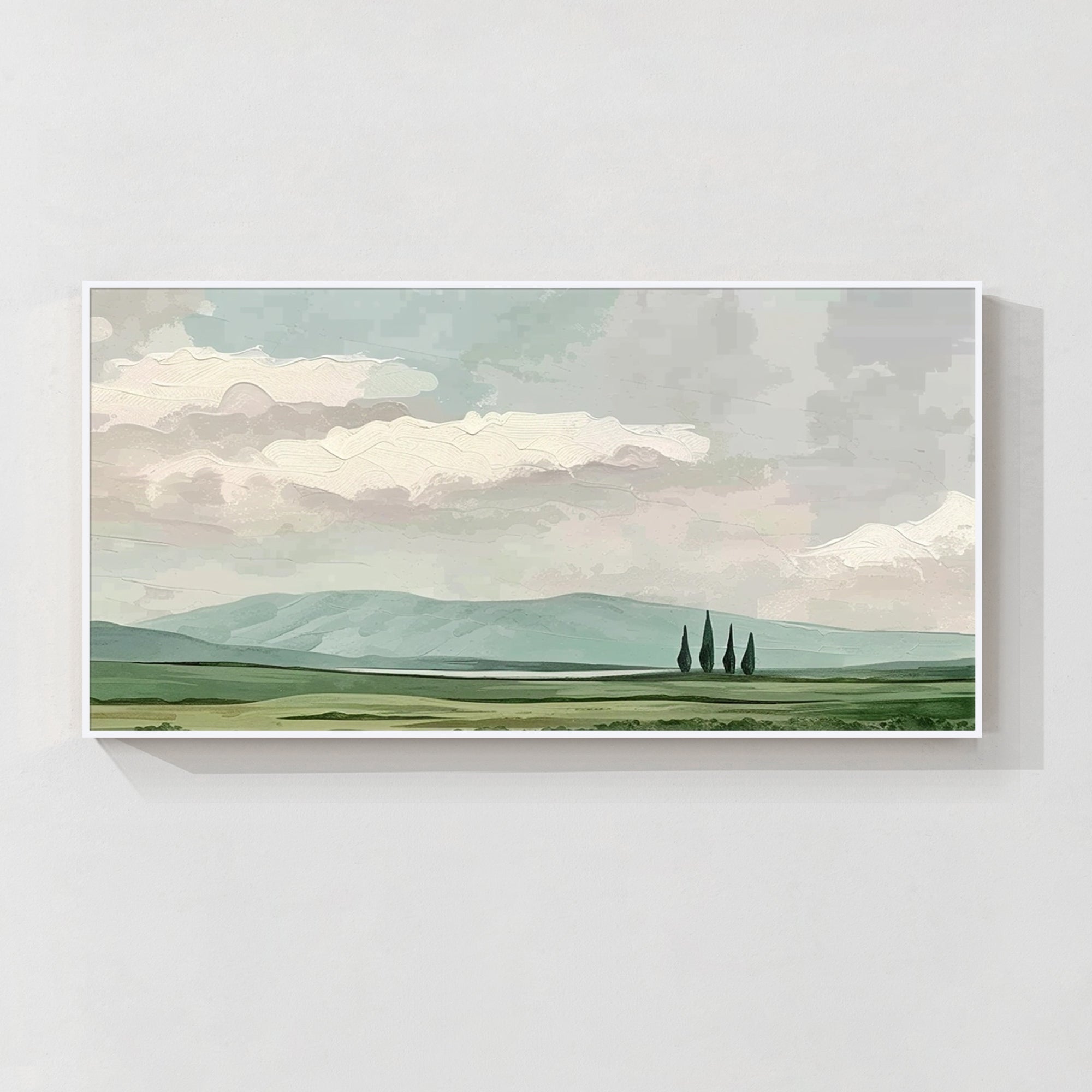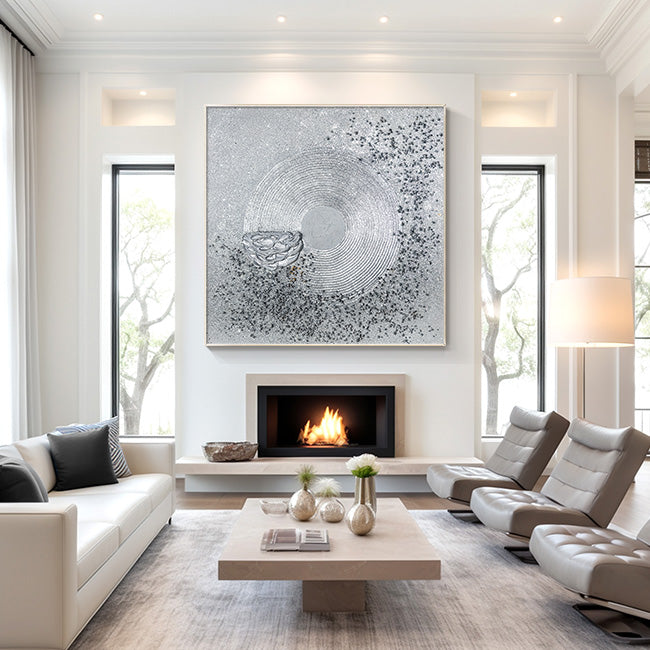
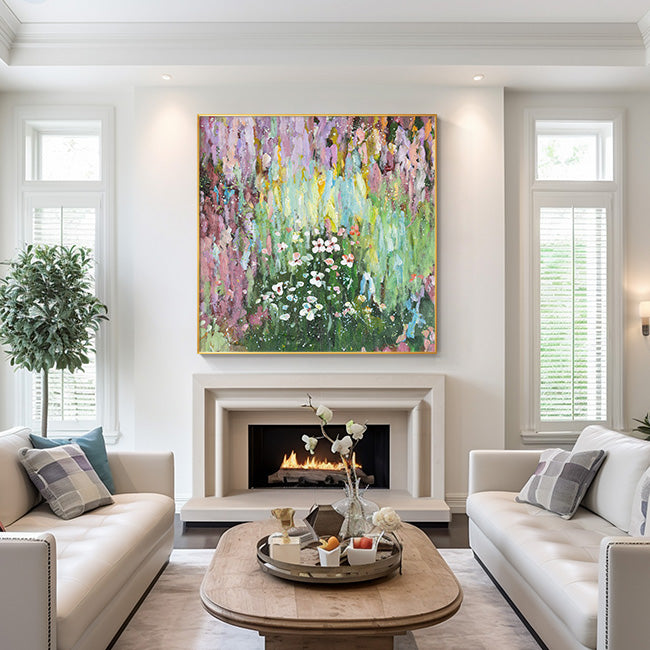

Why Abstract Expressionism Is Making a Strong Comeback in 2026
Abstract Expressionism is quietly becoming one of the most discussed painting styles again in 2026—not as a historical revival, but as a modern response to how people now experience images, emotion, and digital overload.
Once associated with mid-20th-century artists like Jackson Pollock and Mark Rothko, the movement is now being reinterpreted by a new generation of artists working in both physical and digital mediums.
What makes this comeback interesting is not nostalgia—it is relevance.

1. Why Abstract Expressionism Feels Relevant Again
One of the strongest drivers behind this resurgence is visual fatigue. In a world dominated by algorithmic feeds, AI-generated imagery, and hyper-polished digital design, viewers are increasingly drawn to work that feels immediate and unfiltered.
Abstract Expressionism offers exactly that:
- No fixed narrative
- No “correct” interpretation
- Visible physical gesture
- Emotional immediacy over precision
This aligns with a broader cultural shift toward authenticity over optimization.
Art critics and curators have noted that younger audiences are engaging more with works that feel “human-made” rather than technically flawless.

3. The Psychology Behind the Trend
One reason Abstract Expressionism resonates today is its psychological accessibility.
Research in visual perception and emotional cognition suggests that humans respond strongly to:
- Unstructured visual input
- Large-scale color fields
- Gesture-based movement
Unlike highly detailed or narrative-driven art, abstract work allows the viewer to project personal meaning onto the canvas.
This is particularly important in the current cultural environment, where attention is fragmented and visual content is consumed rapidly.
Abstract Expressionism slows that process down—it demands presence.

4. Why Collectors and Galleries Are Paying Attention
In recent years, galleries in New York, London, and Berlin have reported renewed interest in abstract painting, particularly works that emphasize texture and physical presence.
Several market factors are contributing:
- A return to material-based art collecting
- Increased demand for large-scale statement pieces
- Fatigue with AI-generated and digitally replicated visuals
- A growing preference for emotionally interpretive works
Unlike trend-driven digital art, Abstract Expressionism is seen as timeless and non-replicable, which increases its value in contemporary art markets.

5. The New Generation of Abstract Expressionists
Today’s artists are not copying the past—they are extending it.
Common directions include:
- Minimal gesture abstraction with controlled palettes
- Large-scale emotional color studies
- Hybrid works combining paint with digital layering
- Performance-based painting processes documented on video
Social platforms like Instagram and Pinterest have also played a role, allowing process-based painting to become as important as the final artwork.

Conclusion
The return of Abstract Expressionism in 2026 is not a revival in the traditional sense—it is a response.
In an era dominated by digital precision, algorithmic imagery, and AI-generated visuals, abstract painting offers something increasingly rare:
A direct encounter with human emotion, movement, and imperfection.
What Jackson Pollock and Mark Rothko once explored in the mid-20th century is now being reinterpreted for a new century—not as history, but as a living language.
And in that sense, Abstract Expressionism has never really disappeared. It has simply become relevant again.