
Texture Wall Art Trend 2026: From Flat Walls to Sculptural Living
Interior design is gradually shifting away from flat, uniform walls toward surfaces with more depth and material presence. What once felt clean and minimal can now feel a bit empty, leading to a growing interest in texture.
Rather than relying only on color, textured elements add subtle variation and help shape the atmosphere of a space. From soft plaster finishes to layered canvas art, these details bring a more considered and grounded look.
In this article, we explore why texture wall art is becoming so popular and how it can be used in modern interiors.

The Rise of Texture Wall Art
Flat Walls Are No Longer Enough
For years, smooth white walls defined modern interiors. They felt clean, simple, and safe. However, design preferences are shifting. According to House Beautiful, flat walls are gradually losing their appeal as homeowners look for more depth and character.
Walls are no longer treated as a passive background. Instead, they are becoming an active part of the space — something that can shape the atmosphere and visual rhythm of a room.
The Era of “Material Drenching”
This shift is closely tied to a broader concept highlighted by ELLE Decor — “material drenching.” Rather than relying only on color, designers are now using materials to define a space.
Surfaces with texture, whether subtle or pronounced, create a layered experience. The wall itself becomes an object of interest, not just a surface to hang art on.
Hyper-Tactility Becomes Mainstream
Design platform Hackrea describes this movement as “Hyper-Tactility.” In simple terms, it means spaces are designed not only to be seen, but to be felt.
Texture now plays a leading role. It replaces overly complex patterns and introduces a more natural, grounded visual language.

Why Texture Wall Art Is Trending
From Visual to Sensory Living
Modern lifestyles are increasingly digital, and as a result, people are craving something more physical. As noted by The Zoe Report, textured interiors help bring a sense of presence back into the home.
Instead of purely visual decoration, texture introduces a tactile quality. Even without touching it, the surface suggests a more human, handcrafted feeling.

Warm Minimalism Replacing Cold Minimalism
Minimalism is not disappearing, but it is evolving. The colder, flat version is being replaced by something softer and more layered.
According to Hackrea, this new direction focuses on warmth through materials rather than adding more colors or objects.
Texture allows a space to remain simple while still feeling rich and considered.
Emotional Value in Interior Design
Homes are no longer designed purely for function. They are personal spaces that reflect mood and lifestyle.
As highlighted by Homes & Gardens, textured elements can quietly influence how a space feels, adding a sense of calm and balance without overwhelming the room.

Key Types of Texture Wall Art
Heavy Texture & Sculptural Art
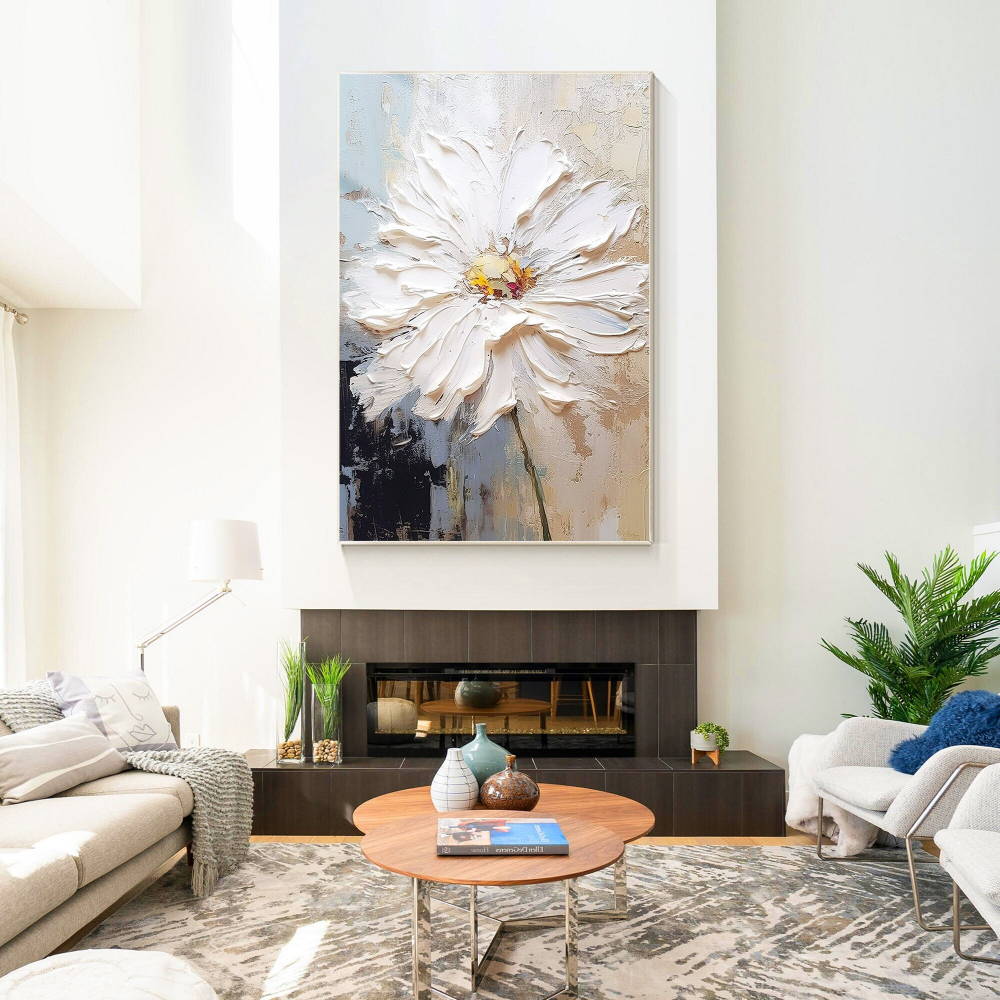
This is one of the most recognizable forms of textured wall art. Raised surfaces and sculptural details create depth that changes with light throughout the day.
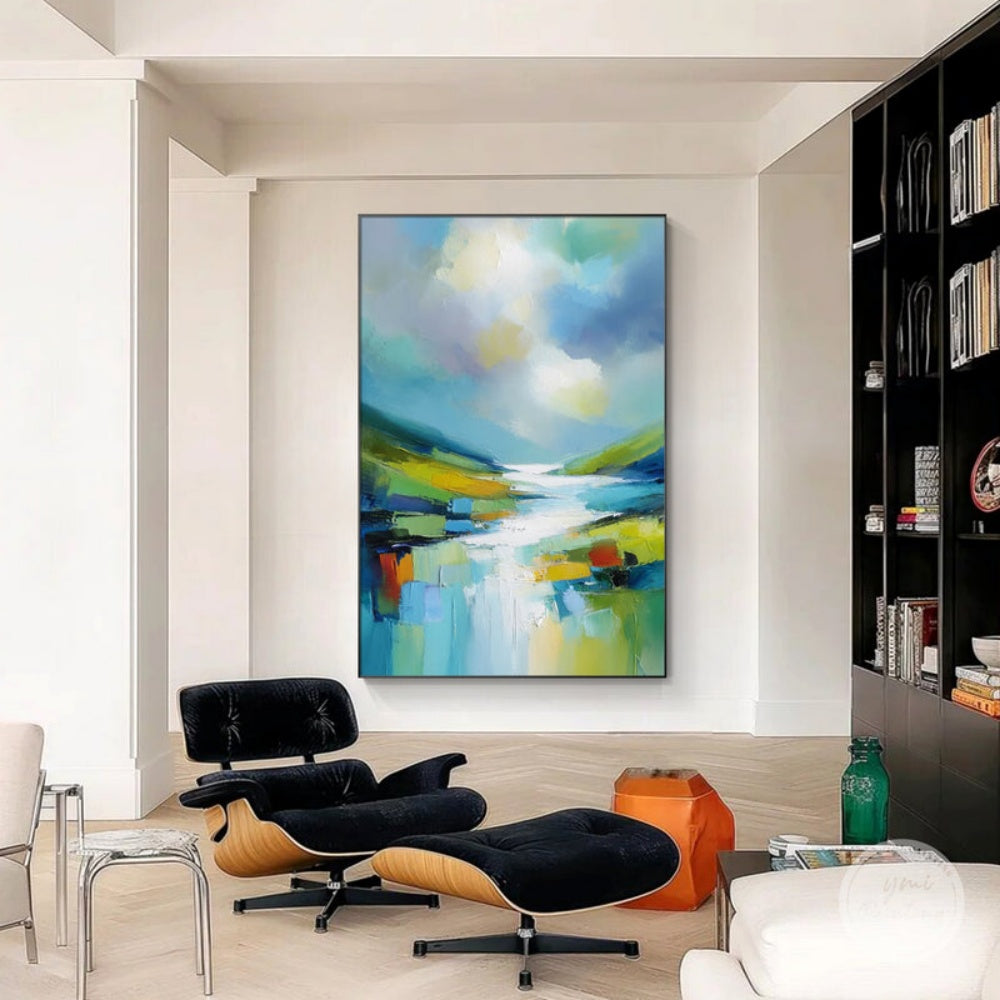
Pieces such as heavy textured seascapes or layered abstract works bring a subtle sense of structure to a wall, making them ideal as focal points in larger spaces.
Natural & Organic Texture
Natural materials are becoming increasingly popular. Wood, carved surfaces, and organic finishes introduce a grounded and tactile presence.
Wall art made from or inspired by natural textures feels more connected to the environment, making it especially suitable for warm, minimalist interiors.

Mixed Material Texture Art
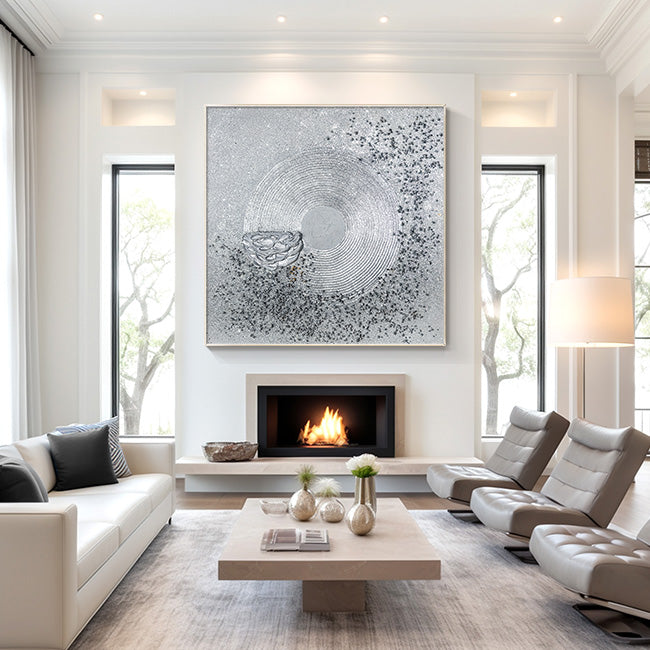
Another growing direction is the use of mixed materials. Combining elements such as gold leaf, glitter, or layered mediums adds variation without relying on bold colors.
These details catch light gently and create small shifts in appearance throughout the day, adding interest without feeling excessive.
Minimal Textured Abstract
Not all texture needs to be bold. Subtle, neutral-toned textured art offers a quieter approach.
Soft layers, restrained tones, and gentle surface variation make these pieces easy to integrate into modern interiors, especially where simplicity is key.
Themed Texture Art
Texture is also being applied to more recognizable themes, such as seascapes or city-inspired artwork.
In these cases, texture enhances the subject rather than dominating it, giving the artwork more depth while keeping it approachable.

How Texture Wall Art Transforms a Space
Adds Depth Without More Color
One of the key advantages of textured wall art is its ability to add visual interest without introducing additional colors.
This makes it particularly useful in neutral interiors, where maintaining a clean look is important.
Changes with Light Throughout the Day
Unlike flat artwork, textured surfaces respond to light. Shadows shift, highlights appear and disappear, and the artwork feels slightly different depending on the time of day.
This subtle variation keeps the space from feeling static.

Creates a Quiet Focal Point
Textured wall art naturally draws attention, but in a more understated way compared to bold prints or bright colors.
It becomes a focal point that feels integrated rather than dominant, helping the space feel balanced.
How to Choose the Right Texture Wall Art
Based on Room Type
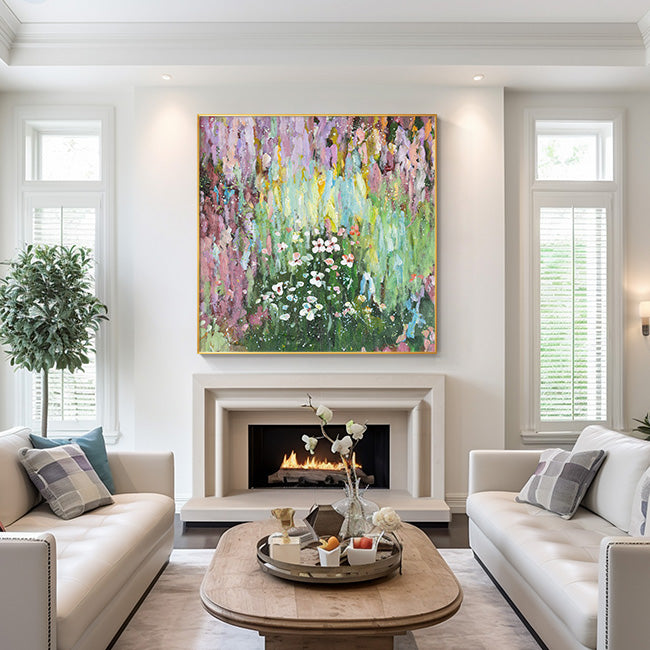
In living rooms, larger and more structured pieces work well, especially those with deeper texture.
In bedrooms, softer and more subtle textures tend to feel more appropriate, helping maintain a calm atmosphere.
For dining areas, balanced and moderately detailed pieces create interest without distraction.

Based on Material Preference
Some interiors benefit from very subtle texture, where the surface detail is only noticeable up close.
Others can support more pronounced, sculptural textures that create stronger visual depth.
Choosing between these depends on how much presence you want the artwork to have.

Based on Style
Textured wall art works across a wide range of styles, including modern, Japandi, and wabi-sabi inspired interiors.
The key is to match the texture intensity and material to the overall tone of the space.
Conclusion
Texture is no longer a secondary detail in interior design. It has become a defining element that shapes how a space looks and feels.
As walls take on a more active role, textured wall art offers a way to introduce depth, material richness, and subtle variation without overwhelming the room.
For those looking to move beyond flat surfaces, it provides a more thoughtful and layered approach to decorating.

References
· House Beautiful – Textured Walls Trend
https://www.housebeautiful.com/design-inspiration/a65994585/textured-walls-trend/
· ELLE Decor – Panel Drenching Trend
https://www.elledecor.com/design-decorate/trends/a65205359/carrie-bradshaw-apartment-panel-drenching-trend/
· Hackrea – Wall Covering Trends
https://www.hackrea.net/stories/wall-covering-materials-trends/
· Hackrea – Wall Art Trends
https://www.hackrea.net/stories/wall-art-decor-trends/
· The Zoe Report – Textured Walls Trend
https://www.thezoereport.com/living/textured-walls-interiors-home-decor-trend
· Homes & Gardens – Memento Wall Trend
https://www.homesandgardens.com/interior-design/memento-wall-trend
· Vinchy Art – 3D Textured Wall Art Trend 2026
https://vinchyart.com/blogs/hot/3d-textured-wall-art-the-transformative-home-decor-trend-of-2026