What Makes a Painting Look Expensive
In modern interior design, an “expensive-looking painting” is not always about price—it is about craftsmanship, composition, and material quality. In fact, interior designers and home styling experts often emphasize that the difference between a standard print and a high-end artwork comes down to one key factor: authenticity, especially hand-painted detail.
According to leading interior design authorities such as Architectural Digest, Elle Decor, and global home decor trend insights from Pinterest Predicts, today’s luxury interiors are defined by texture, simplicity, and original artistic expression rather than mass-produced decoration.
Among all factors, hand-painted artwork remains one of the strongest signals of luxury and value perception in modern homes.
So what actually makes a painting look expensive? Let’s break it down using professional interior design principles.

1. Hand-Painted Texture: The Signature of True Luxury
In high-end interiors, hand-painted artwork is considered the gold standard of wall decor.
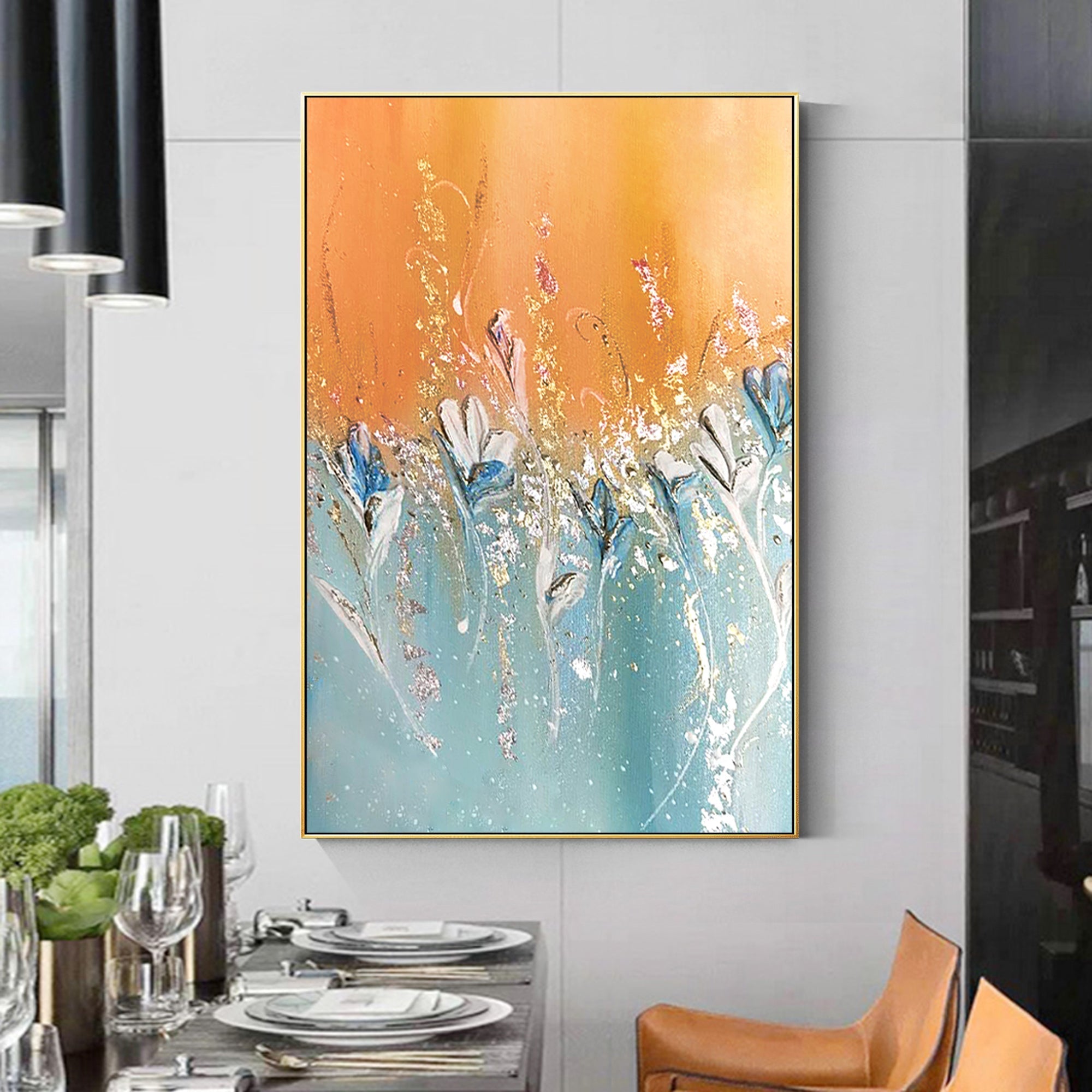
Luxury designers prefer original or hand-finished pieces because they introduce depth, individuality, and craftsmanship that cannot be replicated by digital printing.
Why hand-painted art feels luxurious:
· Every brushstroke is unique and unrepeatable
· Paint layering creates a rich, tactile surface
· Light interacts dynamically with texture and depth
· It conveys the feeling of a bespoke, gallery-grade artwork
In luxury hotels, penthouse apartments, and designer homes, textured hand-painted canvases are frequently used to establish an elevated, editorial aesthetic.
Simply put:
Texture is the visual language of luxury.

2. Large-Scale Statement Art: The Hallmark of High-End Interiors
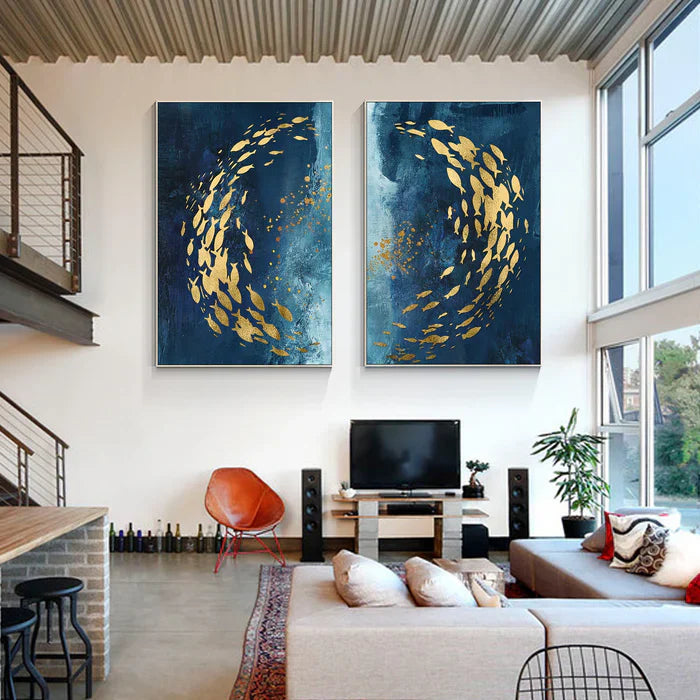
One of the most recognizable features of luxury interiors is scale discipline—fewer pieces, but significantly larger and more impactful.
When combined with hand-painted craftsmanship, oversized artwork becomes a powerful architectural element.
Why it looks expensive:
· Creates a museum-like focal point
· Enhances spatial architecture and proportion
· Eliminates visual clutter for a curated aesthetic
· Reflects high-end interior styling principles
As highlighted in Architectural Digest interior showcases, luxury homes rarely rely on small decorative art. Instead, they use single oversized statement pieces to define entire rooms.

3. Quiet Luxury Aesthetics: Minimalism with Artistic Depth
The rise of “quiet luxury” has reshaped modern interior design.
This aesthetic is not about excess—it is about refined restraint and material sophistication.
Hand-painted minimalist artwork fits perfectly into this design philosophy.
What defines this luxury style:
· Soft neutral palettes (ivory, sand, beige, warm gray)
· Subtle brushwork with controlled composition
· Emphasis on space, silence, and balance
· A timeless rather than trend-driven appearance
This style is especially prominent in high-end Scandinavian, Japandi, and contemporary European interiors.
It creates a sense of effortless elegance that feels curated rather than decorated.

4. Luxury Color Theory: Understated, Elegant, and Timeless
In premium interior design, color is never loud—it is intentional.
Luxury hand-painted artwork typically avoids overly saturated tones in favor of sophisticated neutrals and muted contrasts.
High-end color palettes include:
· Champagne beige and soft ivory
· Warm stone gray and taupe
· Deep matte black with subtle contrast
· Earth-inspired tones like clay, sand, and olive
These palettes allow texture and composition to take center stage, reinforcing the feeling of exclusivity and refinement.

5. Gallery-Level Presentation: The Final Luxury Detail
Even the most beautiful hand-painted artwork requires proper presentation to achieve a luxury effect.
Professional interior designers treat framing and placement as essential components of the artwork itself.
Luxury presentation techniques:
· Museum-style spacing with intentional negative space
· Slim black, brass, or natural wood frames
· Floating canvas installation for modern elegance
· Perfect eye-level alignment for visual harmony

6. Emotional Sophistication: Why Luxury Art Feels Expensive
True luxury is emotional, not decorative.
High-end hand-painted artwork does not overwhelm—it evokes calm, balance, and quiet confidence.
Characteristics of luxury-level art:
· Minimal yet emotionally powerful
· Abstract rather than literal
· Timeless rather than trend-driven
· Balanced rather than chaotic
This emotional restraint is a defining principle in modern luxury interiors, frequently referenced in editorial design features across global publications.

Final Thoughts
A painting looks expensive not because of decoration—but because of craftsmanship, restraint, and artistic intention.
In today’s luxury interior design world, hand-painted texture, oversized scale, neutral elegance, and gallery-style presentation define what “high-end” truly means.
As global design trends continue moving toward authenticity and understated luxury, hand-painted wall art has become one of the most powerful elements in creating sophisticated modern interiors.