
Artikel: Wall Art Placement Guide for Every Room: Best Art Sizes and Hanging Positions

Wall Art Placement Guide for Every Room: Best Art Sizes and Hanging Positions
The right piece of wall art does more than fill an empty wall—it can become the visual focal point of an entire room. When shopping for Abstract Wall Art, Large Wall Art, Living Room Art, Bedroom Art, or Dining Room Art, one of the biggest questions is often not simply “What style do I like?” but rather: What size should I choose, and where should I hang it?
A practical rule of thumb is that when artwork is displayed above furniture such as a sofa, bed, or dining table, the total width of the artwork should generally be around 60%–75% of the furniture’s width. This creates a balanced look without making the artwork feel too small or overpowering the furniture.
Below, we’ll explore three of the most common spaces in the home—the living room, bedroom, and dining room—and look at recommended artwork styles, sizes, and hanging positions for each.

1. Living Room Art: Wall Art for the Living Room
The living room is usually one of the largest spaces in the home, making it an ideal place for Large Wall Art.
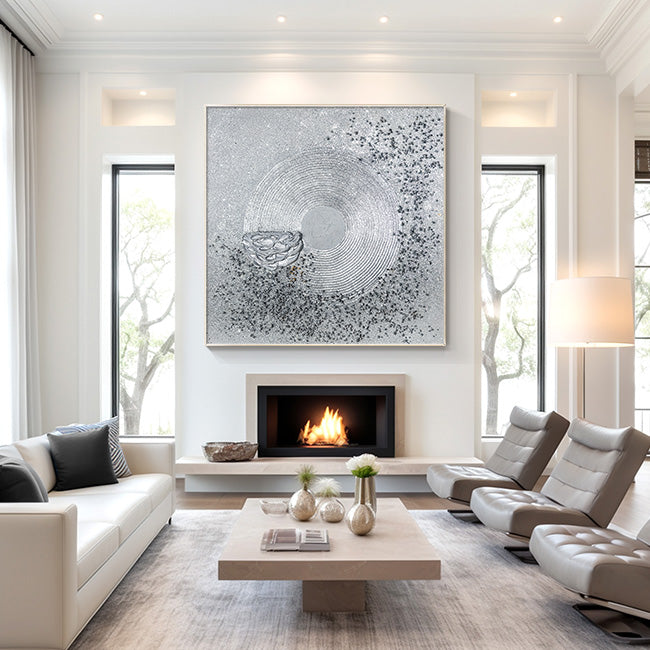
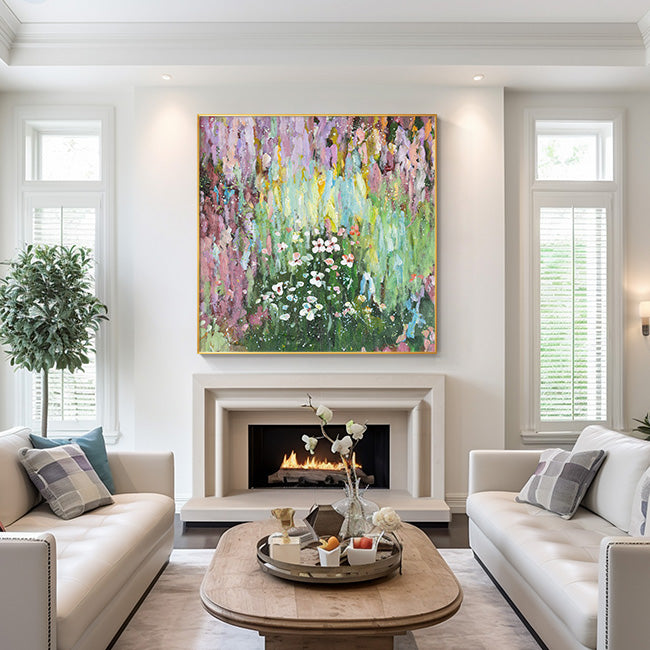
A large piece of artwork above the sofa can transform an empty wall into the visual centerpiece of the room.
What Type of Art Works Best in a Living Room?
For modern, minimalist, neutral, or contemporary luxury interiors, consider:
· Abstract Wall Art
· Large Wall Art
· Textured artwork
· Landscape paintings
· Botanical artwork
· Modern artwork in neutral tones
If your living room features beige, ivory, light gray, or camel tones, consider artwork incorporating beige, brown, gold, gray, or other complementary colors that coordinate naturally with your furniture.
Best Wall Art Size for a Living Room
If you are hanging artwork above a sofa, measure the sofa first and choose artwork that is approximately 60%–75% of the sofa’s width.
For example:
|
Sofa Width |
Recommended Total Artwork Width |
|
72" |
Approx. 48–54" |
|
84" |
Approx. 55–63" |
|
96" |
Approx. 63–72" |
|
100"+ |
Consider 70"+ large-scale artwork |
For a large living room, consider 60" × 40", 72" × 48", or a larger custom size.
Best Place to Hang Living Room Art
The most common placement is directly above the sofa, with the artwork centered to the sofa.
Generally, leave about 6–12 inches (15–30 cm) between the bottom of the artwork and the top of the sofa. This creates a natural visual connection between the artwork and the furniture.
Recommended:
Living Room Art
Recommended sizes: 48" × 32", 60" × 40", 72" × 48"
Best placement: Directly above the sofa
Recommended styles: Abstract Wall Art, Large Wall Art, textured art, modern landscapes
For an especially wide sofa wall, one well-proportioned piece of Large Wall Art can often create a cleaner and more cohesive look than several pieces that are too small.

2. Bedroom Art: Wall Art for the Bedroom
The bedroom is a place for rest and relaxation, so artwork here can generally be softer and more calming than artwork in the living room.
Bedroom Art does not necessarily need to make a bold visual statement. Botanical artwork, textured abstracts, natural landscapes, and artwork in soft colors can all work beautifully.
What Type of Art Works Best in a Bedroom?
Consider:
· Bedroom Art
· Soft Abstract Wall Art
· Botanical artwork
· Floral artwork
· Landscape paintings
· Ocean and shell-themed artwork
· Artwork in beige, cream, and warm gray tones
If your bedroom features white, beige, ivory, or light camel tones, choose artwork with softer, less saturated colors. This can add visual depth to the wall while maintaining a calm and comfortable atmosphere.
Best Wall Art Size for a Bedroom
The wall above the bed is one of the most popular places for bedroom artwork.
A Queen-size bed is typically around 60 inches wide, while a King-size bed is around 76 inches wide. You can use the bed width as a starting point when choosing your artwork.
Here is a simple reference:
|
Bed Size |
Recommended Artwork Width |
|
Twin |
30–36" |
|
Full |
36–45" |
|
Queen |
40–48" |
|
King |
48–60" |
For example, 48" × 32" can be a practical choice above a Queen-size bed, while a King-size bed can accommodate a 60" × 40" piece.
If you have a particularly wide wall behind the bed, you can also use two or three artworks to create a cohesive composition.
Best Place to Hang Bedroom Art
The most common placement is directly above the headboard.
We recommend leaving approximately 6–10 inches between the bottom of the artwork and the top of the headboard, while keeping the artwork horizontally centered with the bed.
Recommended:
Bedroom Art
Recommended sizes: 36" × 24", 48" × 32", 60" × 40"
Best placement: Directly above the bed
Recommended styles: Soft Abstract Wall Art, botanical art, landscapes, shell art
If your headboard is already quite tall, consider choosing a slightly smaller artwork to prevent the wall from feeling crowded.

3. Dining Room Art: Wall Art for the Dining Room
The dining room is another wonderful space for displaying artwork.
Compared with the living room, dining room artwork often works best when it creates a warm, natural, and inviting atmosphere.
What Type of Art Works Best in a Dining Room?
Consider:
· Dining Room Art
· Botanical artwork
· Floral paintings
· Abstract textured art
· Landscape paintings
· Shell and ocean-themed artwork
· Three-dimensional wood and resin artwork
If your dining room features a wooden dining table, artwork incorporating brown, beige, green, or gold elements can create a natural connection between the furniture and the wall.
Best Wall Art Size for a Dining Room
If the artwork is hung above the dining table, a good starting point is to choose artwork that is approximately 60%–75% of the table’s length.
For example:
|
Dining Table Length |
Recommended Artwork Width |
|
60" |
36–45" |
|
72" |
48–54" |
|
84" |
50–63" |
|
96" |
60–72" |
For a standard six-person dining table, consider a horizontal artwork around 48" × 32" or 60" × 40".
Best Place to Hang Dining Room Art
The classic placement is:
Directly above the dining table and centered with the table.
If there is a pendant light or chandelier above the table, take its position into consideration so the artwork and lighting fixture do not feel crowded.
If you have a sideboard or buffet against the wall, Dining Room Art can also be placed directly above it and centered with the furniture. Generally, leave around 6–12 inches between the top of the furniture and the bottom of the frame.
Recommended:
Dining Room Art
Recommended sizes: 36" × 24", 48" × 32", 60" × 40"
Best placement: Above the dining table or sideboard
Recommended styles: Botanical art, abstract art, textured art, shell art

4. Large Wall Art: How to Choose Art for a Large Empty Wall
If you have a particularly wide wall, standard-size artwork may look too small.
For example, if your sofa wall is more than 100 inches wide, a single 24" × 36" painting can easily look undersized, leaving too much empty space around it.
In this case, consider one of the following options:
Option 1: One Large Wall Art Piece
Choose a piece measuring 60" × 40", 72" × 48", or larger.
This works especially well in modern, minimalist, contemporary luxury, and spacious interiors.
Option 2: Two Artworks
Choose two artworks in the same size, for example:
2 × 30" × 40"
Leave approximately 3–6 inches between the two pieces so they work together as one visual composition.
Option 3: A Triptych
For an especially wide wall, a triptych can be an excellent choice.
For example:
3 × 24" × 36"
Once the spacing between the three pieces is included, the overall composition can cover a large wall while creating more visual depth than a single oversized artwork.

5.Measure These Three Things Before Buying Wall Art
Before purchasing Abstract Wall Art, Living Room Art, Bedroom Art, or Dining Room Art, take a measuring tape and check:
1. Wall width
2. Width of the furniture below the artwork
3. Height from the top of the furniture to the ceiling
Then use the relationship between the furniture and artwork as your primary guide.
For artwork above a sofa, bed, or dining table, 60%–75% is a very practical starting point. For a completely empty feature wall, you can scale the artwork up depending on the size of the wall and the proportions of the room.
Hanging height is also important. For an empty wall without furniture underneath, many interior design guidelines suggest placing the center of the artwork approximately 57–60 inches (145–152 cm) from the floor. When artwork is displayed above furniture, however, the spacing between the artwork and furniture should take priority.

When choosing wall art, style creates the atmosphere, size creates balance, and placement determines how well the artwork works within the space.
The living room is ideal for visually striking Large Wall Art and Abstract Wall Art. The bedroom can benefit from softer Bedroom Art that creates a calm and relaxing environment. In the dining room, Dining Room Art, botanical artwork, textured pieces, and nature-inspired designs can add warmth and character.
If you are unsure about the right size, don't rely on guesswork. Start by measuring your wall and furniture, then choose artwork based on the proportions of the space. For unusually sized walls, custom artwork can be an excellent solution—especially for large living rooms, dining rooms, and bedroom feature walls—because it allows the artwork to achieve a more precise and balanced fit within your home.

