

Wabi-Sabi Muurkunst: Het kiezen van minimalistisch en getextureerd kunstwerk voor moderne interieurs
In plaats van perfectie na te streven, vinden we vaak rust in kunstwerken die zowel de ruimte als de geest laten rusten.
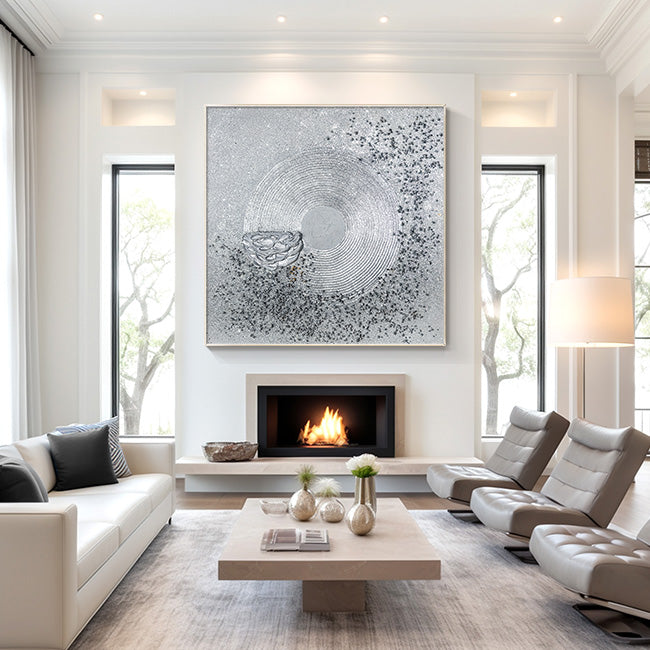
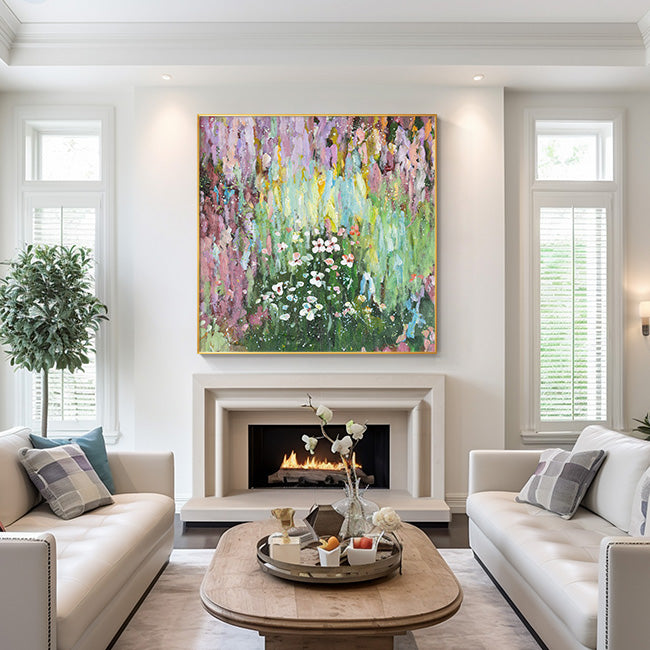
Na een lange dag vraagt het openen van de deur naar je huis niet altijd om felle kleuren of verfijnde luxe. In plaats daarvan kan het een laagverzadigd abstract schilderij met natuurlijke texturen zijn, of een rustig landschap met zacht verweerde randen op een witte muur—subtiel, imperfect en stil troostend. De muur voelt niet langer leeg, maar is nooit overweldigend.
Hier ligt de aantrekkingskracht van wabi-sabi muurkunst. Door imperfectie en terughoudendheid te omarmen, gebruikt het natuurlijke materialen, subtiele texturen en negatieve ruimte om een stille kalmte te creëren.
In plaats van een ruimte te vullen of visuele rijkdom toe te voegen, verzacht wabi-sabi kunstwerk de sfeer, waardoor eenvoud en balans bepalen hoe een kamer wordt ervaren.

Een Nader Onderzoek: Drie Kernkwaliteiten van Wabi-Sabi Muurkunst
Textuur — Vakmanschap dat een Natuurlijk Gevoel van Warmte Behoudt
Wabi-sabi muurkunst vertrouwt niet alleen op linnen of minerale pigmenten. Hoogwaardig canvas gecombineerd met acrylverf kan ook een wabi-sabi karakter uitdrukken wanneer het met zorg wordt behandeld. Door handmatig te schilderen, gelaagde textuurpasta en dry-brush technieken ontwikkelt het oppervlak een natuurlijke nerf en zichtbare penseelstreken.
Laagverzadigde tinten—zoals warm off-white, oker, kleibruin en gedempte blauwgrijs—helpen een gegronde, zachte visuele aanwezigheid te creëren
Indeling — Negatieve Ruimte als de Meest Subtiele Expressie
In tegenstelling tot decoratieve schilderijen die het hele oppervlak vullen, gebruikt wabi-sabi kunstwerk vaak royale negatieve ruimte met slechts een paar ingetogen elementen—misschien een verwelkte lotussteel, een stenen vorm, of een abstracte inktachtige spoor.
Deze openheid geeft zowel het oog als de geest ruimte om te rusten. In een tijdperk van constante visuele prikkels fungeren zulke schilderijen als een stille zone in huis, die een direct gevoel van kalmte biedt.

Sfeer — Minder Over Nauwkeurigheid, Meer Over Gevoel
Wabi-sabi muurkunst richt zich niet op realistische weergave. De focus ligt op emotionele aanwezigheid in plaats van visuele gelijkenis. Een schilderij kan de vochtigheid van aarde na regen suggereren, het uithoudingsvermogen van kale takken, of de stilte van de schemering.
Het brengt een subtiele sfeer in huis, waardoor woonruimtes plekken van reflectie worden in plaats van louter functioneel.
Wabi-Sabi Muurkunst Matchen met Verschillende Woonruimtes
Woonkamer — Een Gegronde en Samenhangende Sfeer Creëren
De woonkamer is vaak het visuele en emotionele centrum van een huis. Wabi-sabi muurkunst in deze ruimte moet voldoende aanwezigheid hebben om de kamer te verankeren, terwijl het kalm en ingetogen blijft. Werken met abstracte inktachtige kwaliteiten, ingetogen landschapsreferenties of gelaagde texturen in aardetinten zoals zacht bruin, oker en warm grijs integreren zich meestal natuurlijk in wabi-sabi interieurs.
Het is over het algemeen het beste om sterk verzadigde kleuren of te complexe beelden in de woonkamer te vermijden. Kunstwerken die van een afstand atmosferisch aanvoelen en van dichtbij subtiele oppervlaktedetails onthullen, helpen een rustige, evenwichtige omgeving te behouden zonder teveel aandacht te trekken.

Slaapkamer — Ondersteuning van Rust door Zachte Visuele Taal
In de slaapkamer moet wabi-sabi muurkunst bijdragen aan een gevoel van gemak en rust. De visuele impact blijft zacht, zodat de geest kan vertragen in plaats van geprikkeld te worden.
Lage verzadigingstinten zoals lichtblauw, lichtgrijs, gebroken wit en zacht bruin zijn bijzonder geschikt. Vervaagde texturen, minimale lijnen en abstracte suggesties van mist, langzaam stromend water of verzacht licht helpen een kalmerende sfeer te creëren. Waar mogelijk moeten de kleurtonen van het kunstwerk aansluiten bij het beddengoed en de muurkleur, zodat de ruimte samenhangend aanvoelt in plaats van visueel gesegmenteerd.

Entree en Gang — Subtiele Accenten die de Sfeer Versterken
Entrees vormen de eerste indruk van een huis, terwijl gangen fungeren als overgangen tussen ruimtes. In deze gebieden werkt wabi-sabi muurkunst het beste wanneer het bescheiden van schaal is maar visueel doordacht.
Minimalistische lijnstukken, door planten geïnspireerde texturen of kleine contemplatieve afbeeldingen zoals een enkel blad, een steenvorm of een vereenvoudigd bamboemotief kunnen karakter toevoegen zonder smalle ruimtes te overweldigen. Het kiezen van lichtere visuele gewichten en kleuren die de vloer, deuren of muurtonen in de buurt echoën helpt een natuurlijke visuele flow door het huis te behouden.

Studeerkamer of Theekamer — Kalmte en Diepte voor Overdenking
Een studeerkamer of theekamer is een ruimte voor focus en innerlijke aandacht. Wabi-sabi muurkunst hier moet stilte en diepte versterken in plaats van decoratie.
Gestructureerde werken geïnspireerd door kalligrafie, abstracte droge landschaps thema's of subtiele verwijzingen naar theecultuur passen vaak goed in deze ruimtes. Zonder lijst doeken of scroll-stijl presentaties laten het kunstwerk natuurlijk samengaan met houten meubels, keramiek en planten, wat een sfeer ondersteunt die aanzet tot reflectie en onhaastte tijd

Koopgids — Drie Details Die Ertoe Doen
Textuur Moet Natuurlijk Aanvoelen, Niet Kunstmatig Ruw
Echte wabi-sabi textuur is subtiel en organisch in plaats van agressief ruw. Het ontstaat door met de hand aangebrachte verflagen, zachte korrel van textuurpasta en zichtbaar penseelwerk dat doelbewust en kalm aanvoelt—niet door industriële “versleten” effecten die er oud uit moeten zien.
In onze met de hand geschilderde canvaswerken wordt textuur gecreëerd door gecontroleerde handmatige technieken. Het oppervlak voelt verfijnd en comfortabel aan, met een balans tussen tactiele diepte en dagelijkse bruikbaarheid.
Kies Kleuren Die Mengen, Niet Concurreren
Harmonie staat centraal in de wabi-sabi esthetiek. De kleurtonen van een schilderij moeten natuurlijk aansluiten bij de omliggende ruimte in plaats van er op zichzelf uit te springen.
Zachte aardetinten passen goed bij witte muren, terwijl gedempte blauwtinten of grijstinten het beste werken met lichtgrijze interieurs. Wanneer het kunstwerk visueel aansluit bij de muurkleuren en meubelafwerkingen, ondersteunt het een algeheel gevoel van samenhang en rust in de hele kamer.

Praktischheid Komt Eerst voor Dagelijks Leven
Het is niet nodig om “natuurlijke materialen” na te streven ten koste van bruikbaarheid. Voor dagelijkse leefomgevingen biedt canvas gecombineerd met acrylverf duidelijke voordelen.
Deze combinatie is vochtbestendig, gemakkelijker te onderhouden en geschikt voor langdurige tentoonstelling. Licht stof kan worden verwijderd met een droge doek, en de handgemaakte texturen en ingetogen kleurbehandelingen stralen nog steeds de warmte en rustige karakter uit die geassocieerd worden met wabi-sabi muurkunst.
Verken Onze Met de Hand Geschilderde Wabi-Sabi Muurkunst Kunstcollectie
Doordacht Gemaakte Stukken voor Tijdloze Interieurs
Onze wabi-sabi muurkunst Kunstcollectie is volledig met de hand geschilderd, waarbij elk stuk is ontwikkeld door gelaagde texturen en ingetogen kleurtonen. Geen twee oppervlakken zijn ooit hetzelfde, en subtiele variaties worden omarmd als onderdeel van het karakter van het kunstwerk.
Ontworpen voor moderne woonruimtes, balanceren deze schilderijen materiële aanwezigheid met stille expressie. Ze zijn gemaakt om niet alleen een muur te vullen, maar om een sfeer te ondersteunen—een die natuurlijk, ongedwongen en tijdloos aanvoelt.
Als je een gevoel van rust en ingetogen diepte in je huis wilt brengen, nodigen we je uit om de Kunstcollectie te verkennen en het kunstwerk te ontdekken dat zachtjes tot je ruimte spreekt.
Klaar om te beginnen?→https://ymipainting.com/


