

2026 Wabi-Sabi Wall Art Trends: The Beauty of Imperfection and Natural Calm
2026 Wabi-Sabi Wall Art Trends: Celebrating Nature’s Imperfections by Ymipainting
In 2026, Wabi-Sabi wall art continues to captivate those who seek beauty in simplicity, authenticity, and imperfection. This Japanese-inspired aesthetic encourages embracing the natural aging process of materials, subtle irregularities, and the organic flow of nature. Wabi-Sabi is all about finding peace in what is weathered, worn, and unfinished. In this guide, we explore the top Wabi-Sabi wall art trends for 2026, how to choose the best pieces for your space, and why this timeless style is a perfect fit for modern interiors.
What Is Wabi-Sabi Wall Art?
Wabi-Sabi wall art celebrates the imperfections that come with age, wear, and use, making it deeply connected to the natural world. These artworks are typically crafted from natural materials such as wood, clay, stone, and fabric, focusing on the authenticity and raw beauty of these elements. Wabi-Sabi embraces flaws and highlights textures that bring depth, warmth, and a sense of tranquility to any room.
Key benefits:
-
Celebrates natural aging and wear
-
Brings warmth and depth to any interior
-
Works beautifully with minimalist, rustic, and organic interiors
-
Creates a peaceful, contemplative atmosphere
Top Wabi-Sabi Wall Art Trends for 2026
1. Nature-Inspired Organic Shapes: Textured Wood and Stone Art
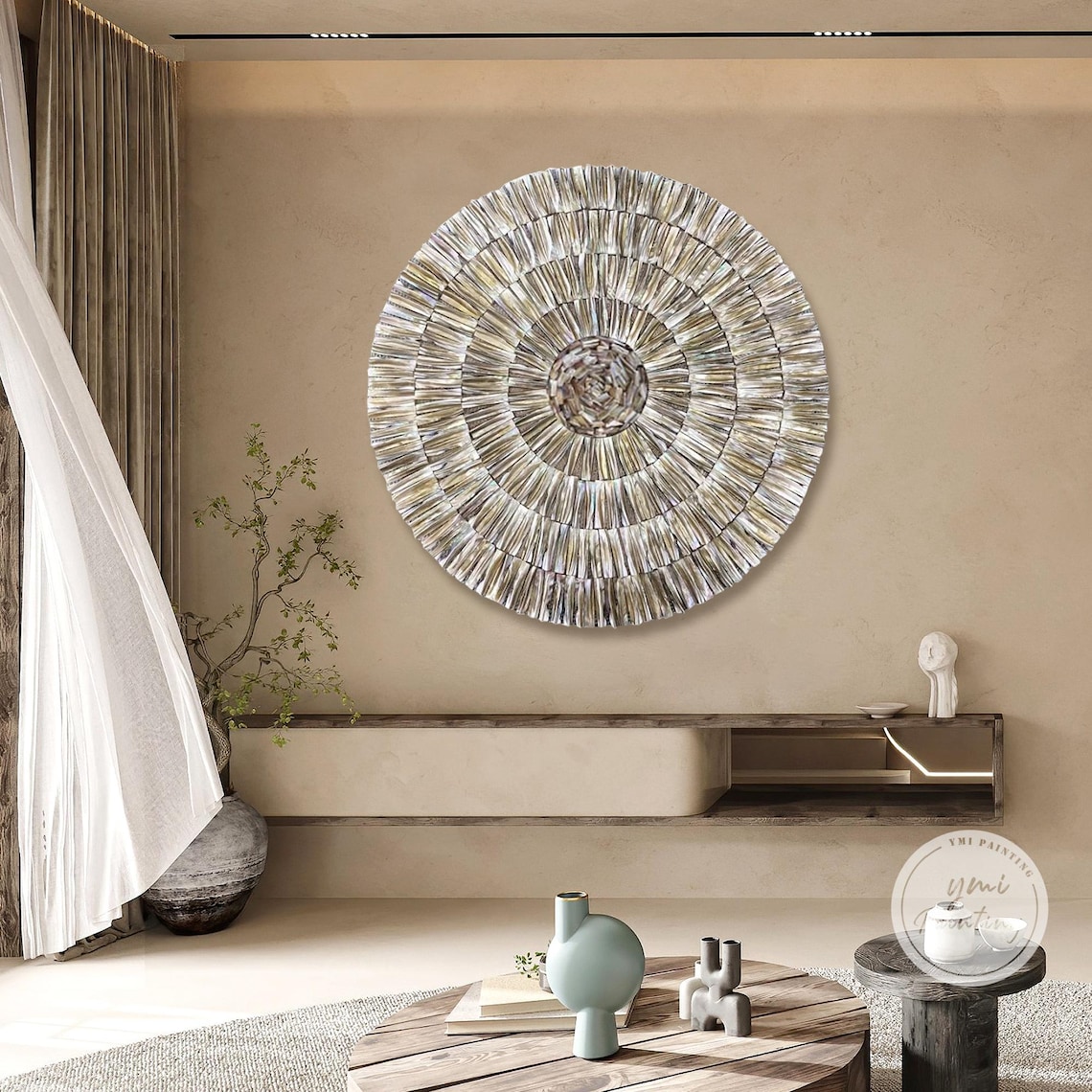
In 2026, nature-inspired forms continue to dominate the Wabi-Sabi wall art scene. Handcrafted wooden pieces and stone art, inspired by natural formations such as tree branches, rocks, and landscapes, evoke a sense of raw beauty. These artworks embrace imperfections, from knots in wood to the smooth contours of worn stone.
Best for:
Living rooms, dining rooms, and entryways
Trending materials:
Reclaimed wood, natural stone, driftwood
Design tip:
Pair these nature-inspired pieces with neutral tones and natural fabrics to emphasize their organic beauty.
Why It’s Trending:
As biophilic design gains momentum, bringing the essence of nature into the home, Wabi-Sabi art allows people to connect with the outdoors in a truly authentic way.
2. Handcrafted Textured Wall Panels: Emphasizing Tactile Beauty
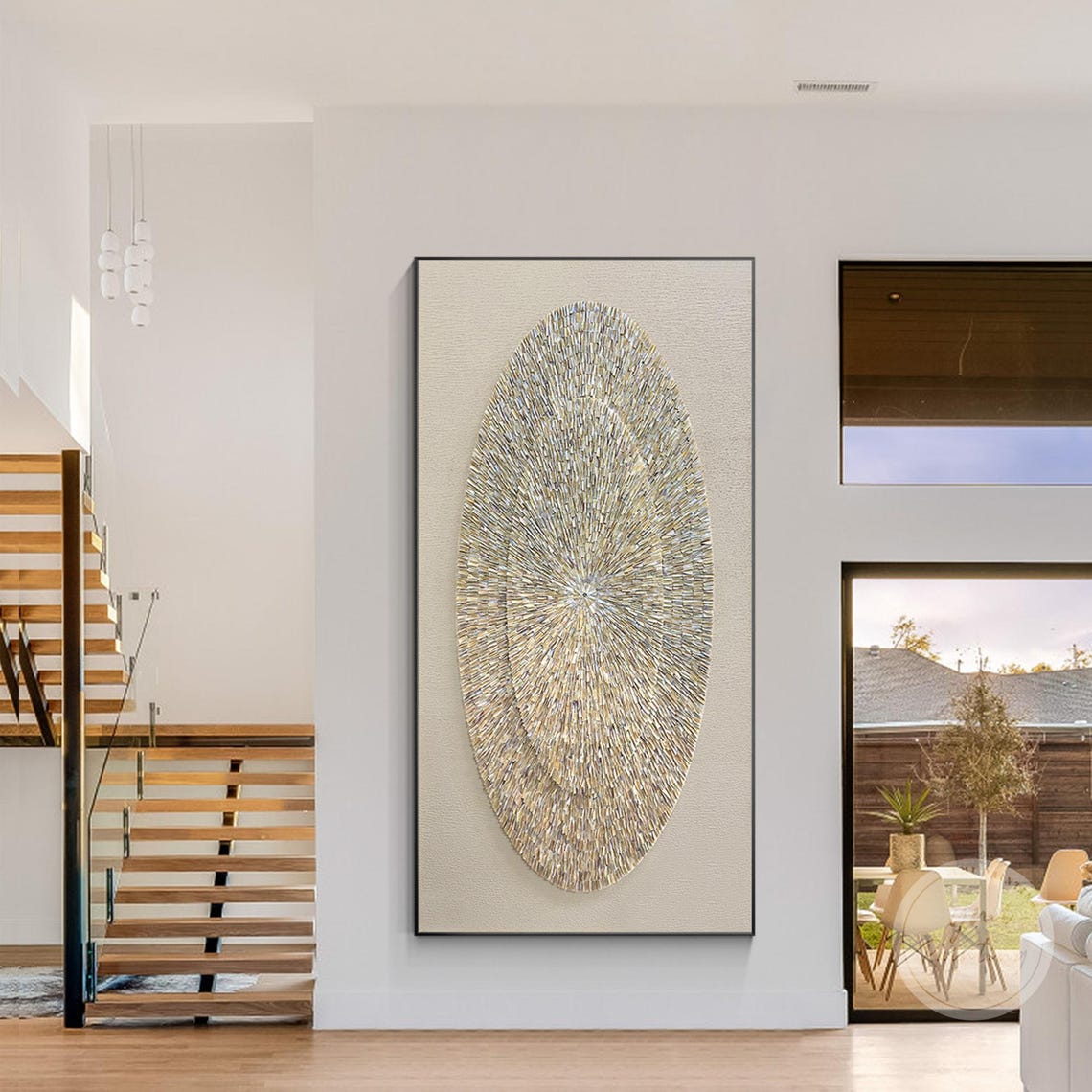
Textured wall panels are a key feature of Wabi-Sabi art in 2026, with each piece showing the marks of handcrafting and the passage of time. These panels may feature subtle carvings, layered materials, or hand-finished surfaces that highlight the inherent irregularities in the medium. Clay, plaster, and wood are often used to create these pieces, which add warmth and character to any space.
Best for:
Feature walls, entryways, and modern minimalist spaces
Design tip:
Keep surrounding décor minimal, with clean lines and a neutral palette, to allow the textured wall art to shine.
Why It’s Trending:
Textured surfaces provide a tactile experience that flat, mass-produced designs simply can't replicate. They encourage a deeper connection with the artwork and the space itself.
3. Abstract Wabi-Sabi Art: Subtle, Flowing Brushstrokes
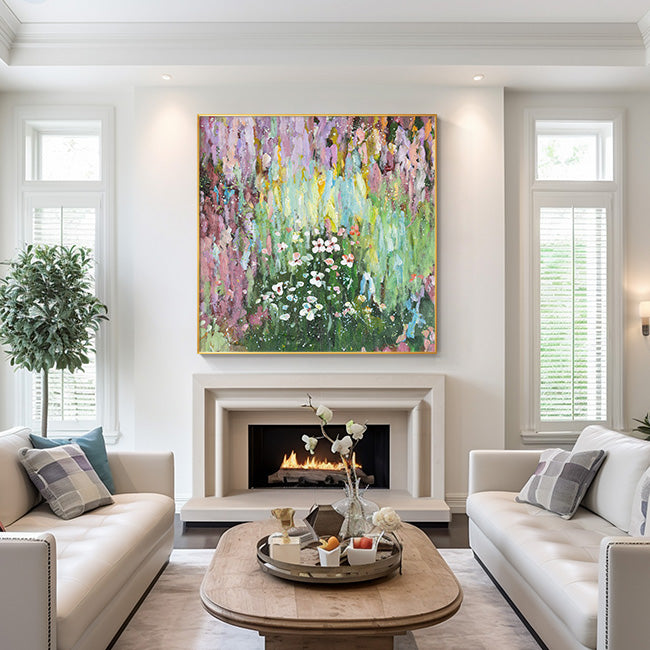
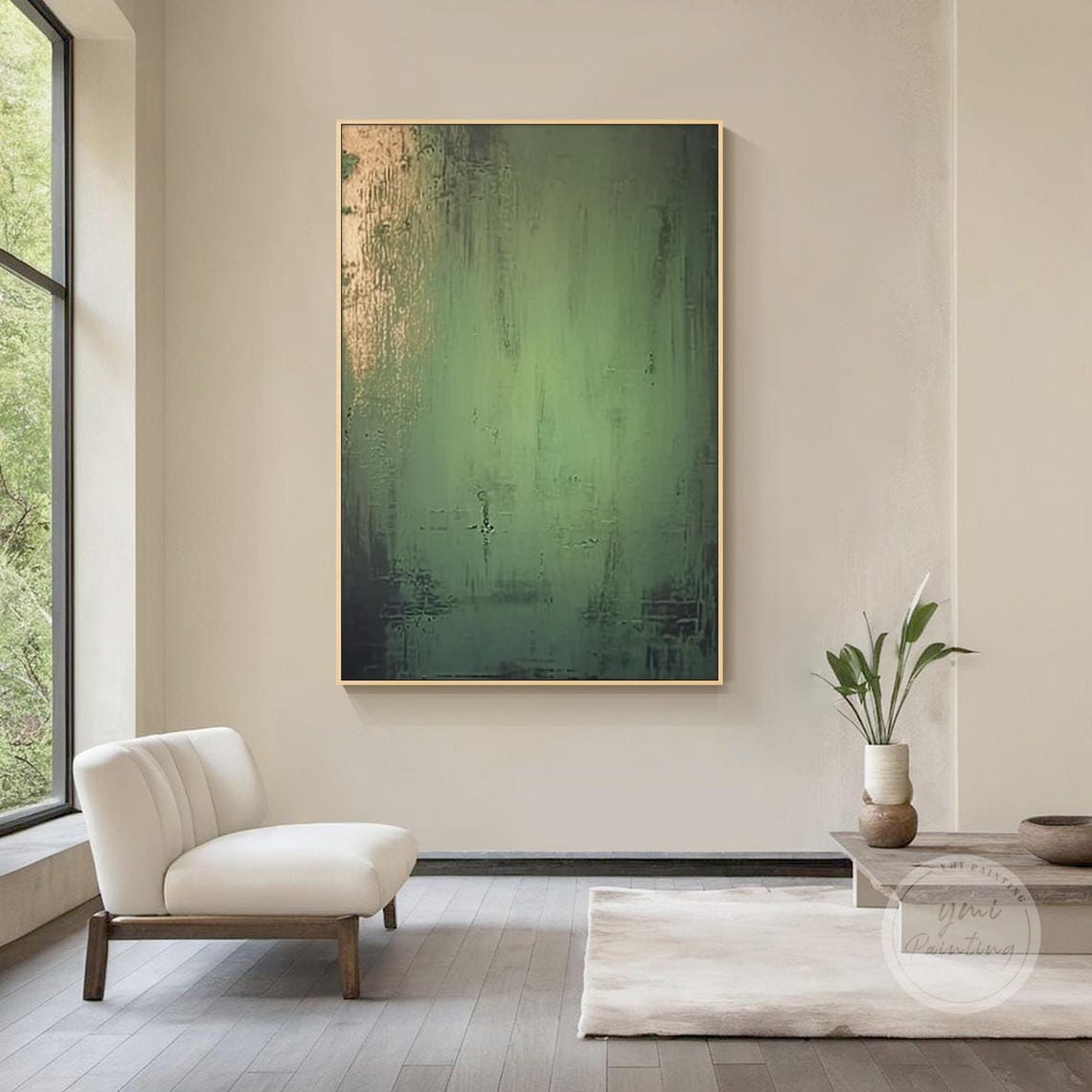
In 2026, abstract Wabi-Sabi paintings and artworks are trending, focusing on fluid brushstrokes, delicate lines, and the subtle imperfection of the human hand. These works may feature sweeping, organic patterns or softer, ethereal colors that reflect the quiet elegance of the Wabi-Sabi philosophy.
Best for:
Bedrooms, studios, and serene living spaces
Trending colors:
Soft neutrals, warm ochres, pale greens, and muted blues
Design tip:
Opt for larger-scale abstract works in spaces where they can command attention without overwhelming the room.
Why It’s Trending:
Abstract art allows for personal interpretation and introspection, which is perfectly aligned with the Wabi-Sabi focus on mindfulness and simplicity.
4. Earthy Ceramics and Pottery Art
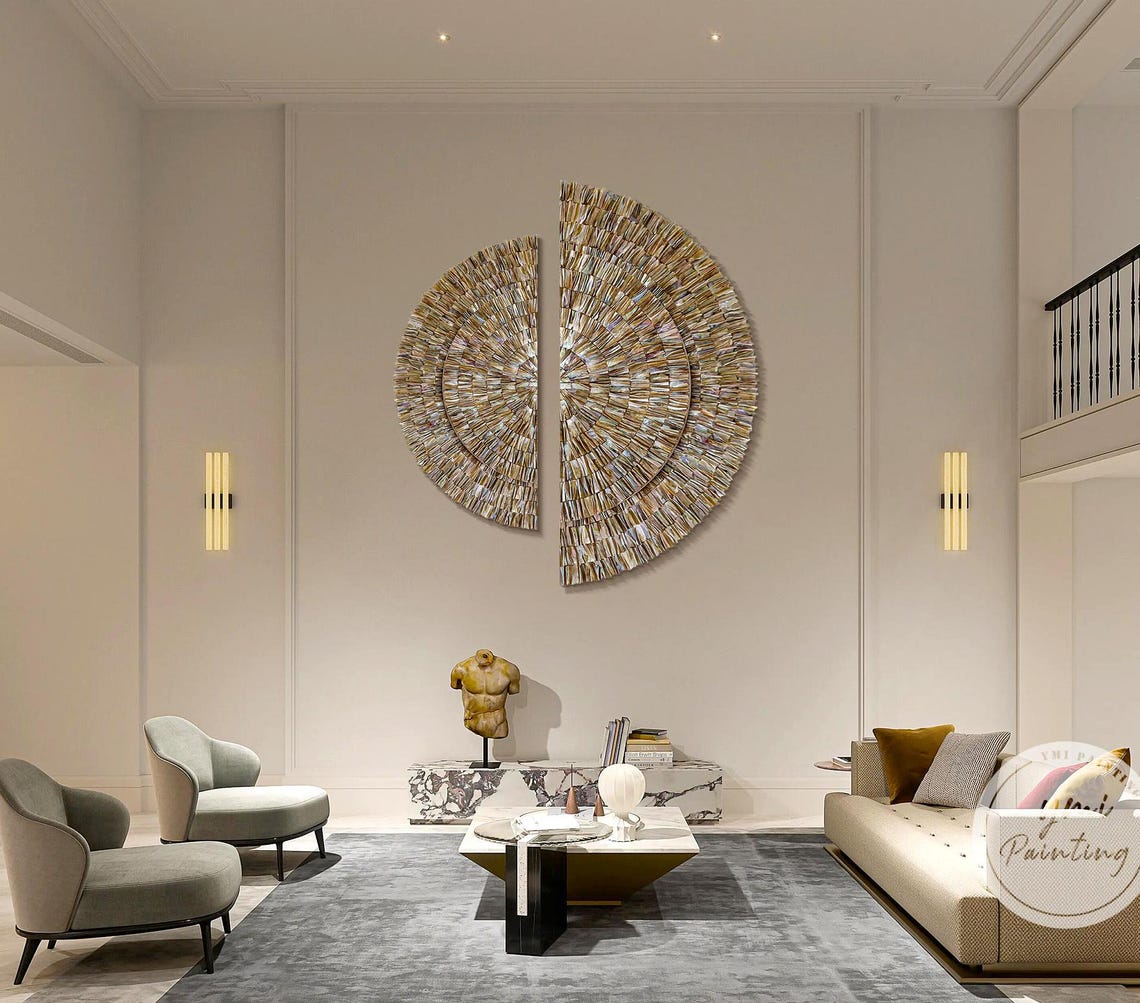
Handcrafted ceramics are a beloved feature of Wabi-Sabi wall art in 2026. Pottery pieces, either functional or purely decorative, with natural glazing techniques, slight cracks, and hand-formed edges are particularly sought after. These pieces often reflect the raw, unrefined beauty of clay and the imperfections of the kiln process.
Best for:
Living rooms, dining areas, and rustic kitchens
Design tip:
Use ceramic pieces to add a tactile element to minimalist or rustic spaces. Display them in simple wooden or metal frames to enhance their natural beauty.
Why It’s Trending:
Ceramics add a grounding, earthy element to interiors, making them perfect for those looking to infuse their spaces with organic, nature-inspired design.
5. Faded, Weathered Wall Murals: Evoking Time’s Passage
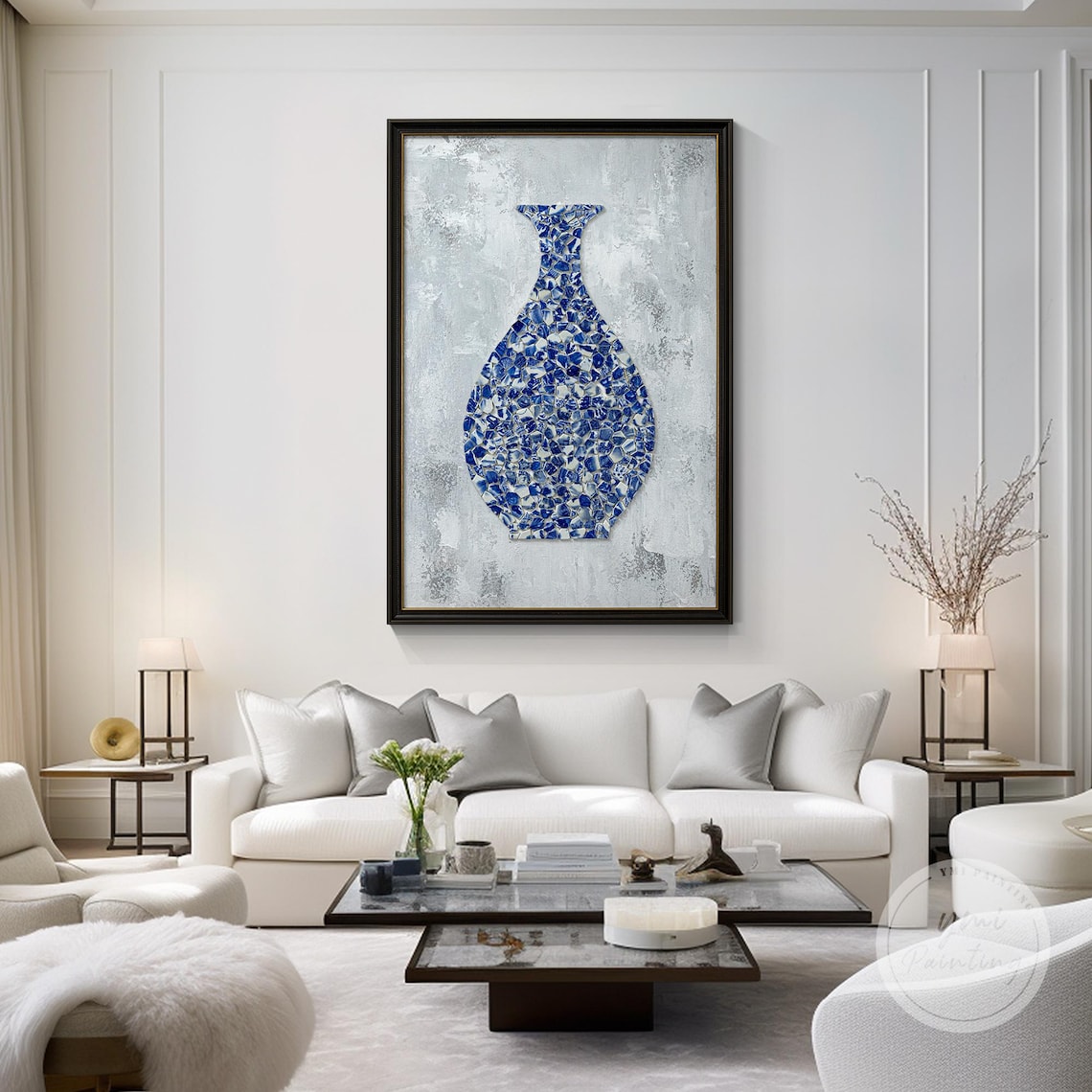
Murals that evoke the passage of time—weathered landscapes, faded walls, and cracked surfaces—are becoming a defining feature of Wabi-Sabi wall art in 2026. These murals often use muted tones and worn textures to create a sense of nostalgia and timelessness, transforming entire rooms into spaces that feel both ancient and fresh.
Best for:
Large feature walls, dining rooms, and creative spaces
Design tip:
Balance the mural with simple, neutral furniture and natural light to highlight its rustic beauty without competing with it.
Why It’s Trending:
Large-scale Wabi-Sabi murals make a strong statement, and their organic, weathered appearance invites quiet reflection. They are perfect for creating an immersive atmosphere in any room.
How to Choose the Best Wabi-Sabi Wall Art in 2026
Match the Space Size:
-
Small spaces → Opt for framed pieces, pottery accents, or small sculptures
-
Large spaces → Larger murals, wall panels, or statement sculptures
Consider Lighting:
-
Wabi-Sabi art thrives in soft, natural lighting. Use warm LED lighting or natural light to bring out the depth and texture of these pieces without overwhelming them.
Align with Interior Style:
-
Rustic & farmhouse → Earthy tones, wood, and clay
-
Modern & minimalist → Simple, clean-lined pieces with subtle textures
-
Organic & natural → Woven materials, organic forms, and soft colors
Focus on Quality:
-
Choose handcrafted pieces that reflect the beauty of imperfection. Each Wabi-Sabi artwork should feel like it has a history and a story to tell.
Where Wabi-Sabi Wall Art Works Best
-
Living rooms & feature walls: Add a grounding, natural focal point to your home
-
Bedrooms & meditation spaces: Bring calm and serenity with soft, nature-inspired designs
-
Studios & creative spaces: Inspire mindfulness and creativity with handcrafted, organic art
-
Commercial spaces & luxury hotels: Create a unique, sophisticated atmosphere with rustic Wabi-Sabi accents
Why Wabi-Sabi Wall Art Is a Top Choice in 2026
Wabi-Sabi wall art in 2026 continues to offer a beautiful, calming alternative to fast-paced, digital-focused design. These pieces celebrate the inherent beauty in imperfection, using materials that have been shaped by nature and time. Whether through abstract brushstrokes, weathered wood, or subtle ceramics, Wabi-Sabi art invites us to slow down and appreciate the simple, unpolished moments that make life extraordinary.
Key Tip:
When selecting Wabi-Sabi art for your home, look for pieces that embrace nature’s imperfections, reflect your personal style, and bring a sense of timeless serenity to your space.


