
Article: Hand-Painted Wall Art: A Guide to Original Canvas Art

Hand-Painted Wall Art: A Guide to Original Canvas Art
Quick Answer: What Is Hand-Painted Wall Art?
Hand-painted wall art is artwork created by artists using painting materials and techniques directly on a surface, such as canvas. Unlike a mass-produced decorative image, a hand-painted painting can feature individual brushstrokes, layered colors, surface details, and variations created during the artistic process.
For modern homes, hand-painted wall art offers several options: textured abstract paintings for depth, floral artwork for color and movement, gold leaf designs for decorative accents, cityscapes for a sense of place, and landscape paintings for a nature-inspired atmosphere.
YmiPainting specializes in hand-painted canvas artwork, with collections that include abstract art, 3D texture paintings, floral designs, cityscapes, landscapes, crushed glass artwork, and seashell wall art. Buyers can explore different styles, sizes, and framing options, with customization available on eligible designs.
Why Choose Hand-Painted Wall Art for Your Home?
Wall art does more than fill an empty wall. It can establish a room's color palette, create a focal point, introduce texture, and reflect the personality of the people who live there.
A textured abstract painting can add depth to a neutral living room. A colorful floral painting can brighten a dining area. A cityscape can connect a space to a favorite destination, while natural materials can introduce organic shapes and tactile details.
Interior design experts also emphasize that artwork does not need to match every furnishing. In its guide to choosing art for a room, Architectural Digest discusses mixing styles and choosing art that reflects the homeowner's personality.
Reference: Architectural Digest – How to Choose the Right Art for a Room
This principle is useful when choosing art for a contemporary home: begin with a piece that you genuinely like, then consider how its colors, proportions, materials, and mood work with the surrounding space.
1. Textured Abstract Wall Art: Add Depth and Dimension
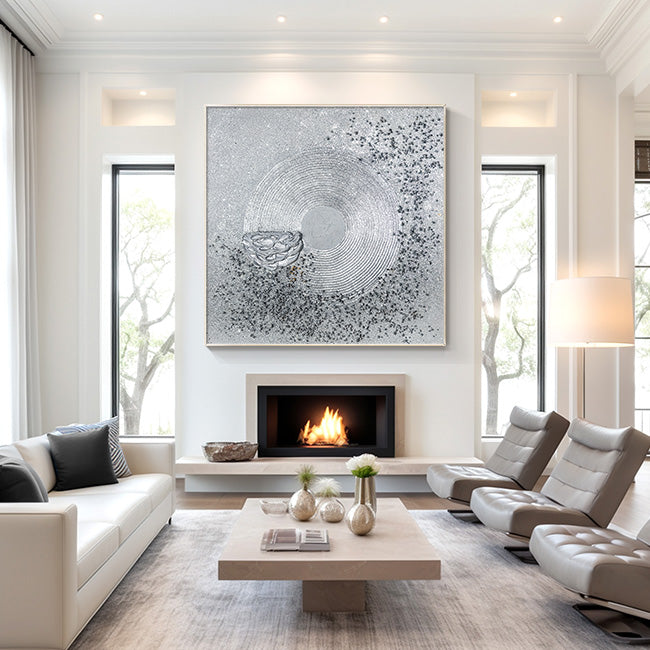
Textured abstract wall art is an option for homeowners who want visual interest without relying on a recognizable subject. Raised surfaces, layered paint, and sculptural forms can create shadows that change with the room's lighting.
Neutral textured artwork is particularly versatile. Shades of ivory, beige, taupe, gray, and soft brown can complement natural wood, linen upholstery, stone surfaces, and minimalist furniture. More expressive abstract designs can introduce contrast into a room with a restrained color palette.
How to Choose Textured Abstract Art
-
For a calm interior: Consider soft neutral colors and organic forms.
-
For a contemporary living room: Look for a composition with enough visual weight to anchor the wall.
-
For a minimalist bedroom: Choose a restrained palette that works with bedding, curtains, and furniture.
-
For a feature wall: Consider a larger canvas, provided its dimensions suit the wall and surrounding furniture.
Explore YmiPainting:

This neutral abstract design is a candidate for modern organic, minimalist, and warm-neutral interiors. Its product page includes room imagery and framing options, allowing shoppers to evaluate the artwork in context.
Textured artwork is best viewed under suitable lighting. Side lighting can make raised details easier to see, while direct glare may obscure some surface characteristics. Review close-up product photographs when the texture is an important part of your decision.
2. Original Abstract Art with Crushed Glass and Reflective Details
Some wall art uses materials beyond conventional paint to create a different visual effect. Crushed glass and glitter accents can reflect light, adding sparkle and contrast to a canvas.
This type of artwork may suit contemporary living rooms, bedrooms, home offices, and decorative feature walls. It can work especially well when the room already contains glass, metal, polished stone, or other reflective surfaces.
The effect depends on the artwork's material, color, and placement. A predominantly gray composition can feel understated, while reflective details may become more noticeable under directional lighting.
Explore YmiPainting:

The product page identifies this piece as crushed glass artwork and includes close-up images of its surface. Review the listing to understand the specific design and available options before ordering.
Where Does Reflective Wall Art Work Best?
Living room: Place the painting where it can be viewed comfortably without strong glare from windows or lamps.
Bedroom: Coordinate the artwork with bedside lighting, metallic accents, and the room's overall color palette.
Dining room: Use reflective details to complement decorative lighting and table accessories without making every surface equally shiny.
When choosing this type of artwork, prioritize the actual material details shown on the product page rather than assuming all glitter, glass, and metallic finishes have the same appearance.
3. Floral Wall Art: Bring Color and Energy into a Room
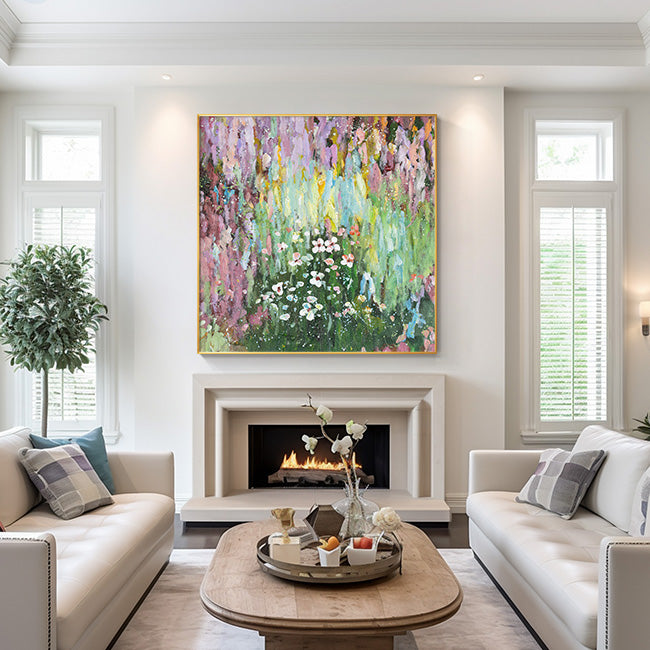
Floral paintings can introduce color, movement, and a connection to nature. Depending on the composition, floral artwork can feel traditional, romantic, contemporary, or expressive.
Soft pink and green tones may complement a light, relaxed interior. Brighter floral colors can create contrast against neutral walls and understated furniture. Larger floral paintings can also work as focal points above a console, sofa, or dining table.
How to Style Floral Paintings
-
Repeat one or two colors from the artwork in cushions, flowers, ceramics, or other accessories.
-
Pair expressive florals with simple furniture to avoid visual competition.
-
Consider the painting's overall mood when choosing frame color and surrounding decor.
-
Leave enough space around a large floral composition so its colors and forms remain easy to appreciate.
Explore YmiPainting:

This floral painting features pink and green tones and an expressive painterly appearance. It is worth considering for living rooms, bedrooms, or workspaces where you want to introduce a more colorful focal point.
For shoppers comparing floral wall art, look at the balance of color, the scale of the flowers, and the relationship between the background and the main subject. These details often matter more than matching the painting to a single decorative accessory.
4. Gold Leaf Wall Art: Introduce Warmth and Decorative Contrast
Gold-accented artwork can add warmth and a decorative focal point to contemporary interiors. Gold details can complement warm neutrals, dark wood, cream upholstery, black accents, and selected metallic finishes.
Gold leaf artwork does not have to make a room feel overly formal. When paired with a restrained palette, organic shapes, or understated furniture, it can provide a subtle highlight.
How to Use Gold Wall Art
For a neutral living room: Combine gold accents with ivory, beige, taupe, or warm gray.
For a contemporary bedroom: Coordinate the artwork with selected brass or gold-toned accessories rather than matching every finish.
For an entryway: A distinctive gold-accented painting can create a welcoming focal point above a console.
For a gallery wall: Use gold as a recurring visual detail to connect artwork with different subjects or compositions.
Explore YmiPainting:

The product page identifies this artwork as a gold leaf design. Review its actual images to assess the composition and the appearance of the gold details before selecting a size or frame.
If you are comparing gold artwork, remember that painted gold effects, gold leaf, metallic foil, and reflective glitter are different finishes. Check the material information on the individual product listing instead of assuming that every gold-colored surface uses the same technique.
5. Cityscape Wall Art: Add a Personal Sense of Place
Cityscape paintings can bring architectural character, urban energy, and personal meaning into a home. A city-inspired artwork may remind you of a favorite destination, a memorable trip, a place where you once lived, or a city you hope to visit.
Cityscape art can work in contemporary living rooms, home offices, hallways, and creative spaces. The best choice depends on the painting's colors and composition as well as the room's existing style.
How to Choose Cityscape Art
-
Choose a color palette that complements the room rather than matching every furnishing.
-
Consider horizontal artwork for wider walls and vertical compositions for narrower spaces.
-
Use cityscape paintings in offices or studies when you want a visual connection to a favorite place.
-
Pair detailed urban artwork with simpler accessories if the composition already contains a lot of visual activity.
Explore YmiPainting:

This Chicago skyline painting uses an abstract cityscape approach. It can be considered for a modern living room, office, or urban-inspired interior.
For shoppers who want something more personal, YmiPainting offers customization options on eligible products. Contact the team to confirm whether a particular city, size, color scheme, or composition can be accommodated before placing an order.
6. Landscape Wall Art: Create a Connection to Nature
Landscape artwork can introduce a sense of openness and calm into an interior. Mountains, coastlines, trees, and abstract natural forms can complement rooms with wood furniture, natural textiles, indoor plants, and earth-inspired colors.
A landscape painting does not need to depict a highly detailed scene to create a nature-inspired mood. Abstracted mountain forms and simplified color transitions can provide a more contemporary interpretation of the natural world.
Styling Ideas for Landscape Paintings
Living room: Select a composition that balances the sofa and other large furnishings.
Bedroom: Consider softer colors and a visual mood that supports a restful atmosphere.
Home office: A landscape can introduce a natural reference point into a space dominated by screens and office furniture.
Entryway: Choose a composition that provides visual interest without overwhelming a narrow or busy area.
Explore YmiPainting:

This painting features abstract mountain forms with green and neutral tones. It is an option for homeowners looking for nature-inspired wall art that can complement warm, organic, or contemporary interiors.
When selecting a landscape, consider whether the painting's dominant colors harmonize with the room and whether its proportions suit the available wall space.
7. Seashell Wall Art: Explore Natural Materials and Organic Shapes
Wall art made with natural shells offers a different approach to decorating. Rather than relying only on painted color and brushwork, shell artwork uses the shape, surface, and arrangement of natural materials to create visual interest.
This style can suit coastal interiors, contemporary neutral rooms, vacation homes, and spaces where organic forms are part of the design.
How to Style Seashell Artwork
-
Pair natural shell details with linen, wood, stone, and other tactile materials.
-
Use neutral furnishings to allow the artwork's shapes and materials to stand out.
-
Consider the frame and overall dimensions, especially for a substantial statement piece.
-
Avoid assuming that all shell artwork is identical; material, layout, and color vary by design.
Explore YmiPainting:

This piece features gold capiz shell details and a decorative, dimensional presentation. It is suited to shoppers exploring natural-material wall decor and more distinctive focal pieces.
Because natural materials can vary in appearance, review the product photographs and description carefully. If you need specific information about the materials, finish, or framing, contact YmiPainting before ordering.
8. Wabi-Sabi Wall Art: Find Beauty in Simplicity
Wabi-sabi-inspired wall art often emphasizes organic forms, restrained colors, and an appreciation of irregularity and simplicity. In contemporary interiors, this approach can work alongside natural wood, linen, handmade ceramics, and soft neutral textiles.
It is useful for shoppers who want artwork that adds character without introducing a large number of competing colors or decorative details.
Explore YmiPainting:

This product page presents the Wabi-Sabi Art #CA0665 design. Check the current product images and listing details to confirm the composition, available sizes, and framing choices.
For a balanced interior, consider combining a restrained Wabi-Sabi-inspired painting with one or two more expressive objects. The contrast can create interest while preserving the room's overall simplicity.
How to Choose the Right Size and Frame for Wall Art
The size of a painting affects how it relates to the furniture, architecture, and other objects in a room. Before purchasing, measure the wall area and consider the width of nearby furniture, the ceiling height, and the distance from which the artwork will usually be viewed.
A Practical Wall Art Checklist
-
Measure the available space. Record the width and height of the intended display area before selecting a canvas.
-
Consider the furniture below it. The painting should feel proportionate to a sofa, bed, console, or dining table.
-
Review orientation. Horizontal, vertical, square, and panoramic formats create different visual effects.
-
Choose a suitable frame. Compare gallery wrap, floating frames, and other available finishes against the artwork and room.
-
Plan the installation. Check the painting's final dimensions and weight, as well as the wall type and hanging requirements.
Architectural Digest provides additional practical advice on artwork placement, including planning a gallery wall before hanging pieces and considering the relationship between orientation and wall dimensions.
Reference: Architectural Digest – Our Guide to Hanging Art Like a Professional
These are starting points rather than strict rules. The right placement depends on the artwork, the room, and the way the space is used.
Why Buy Hand-Painted Canvas Art from YmiPainting?
YmiPainting offers a range of hand-painted wall art styles, including abstract paintings, textured canvas art, floral designs, cityscapes, landscapes, gold leaf artwork, crushed glass art, and seashell wall decor.
The store's product pages provide information about individual designs, dimensions, frame options, and customization availability. According to YmiPainting's customization service page, customers can discuss requests relating to size, orientation, colors, and visual details.
What to Check Before Ordering
-
Artwork style: Confirm that the subject and colors suit your intended room.
-
Materials and technique: Review the product description for the specific painting rather than assuming all designs use the same materials.
-
Dimensions: Check both the canvas size and the final framed dimensions, where applicable.
-
Framing: Confirm whether you are choosing rolled canvas, gallery wrap, or a framed option.
-
Customization: Contact the team to confirm whether your preferred changes are available for the selected design.
-
Production and delivery: Review the current delivery information on the product page before ordering.
For a closer look at available styles, browse the YmiPainting All Art Collection.
Frequently Asked Questions About Hand-Painted Wall Art
What is the difference between hand-painted wall art and a canvas print?
Hand-painted wall art is created by applying paint to a surface by hand. A canvas print reproduces an image on canvas using a printing process. When comparing products, check the seller's description and materials information to understand what is being offered.
Is textured wall art suitable for a minimalist home?
Yes. Textured artwork can add visual depth without relying on bright colors or elaborate imagery. Neutral tones and simple compositions can complement minimalist, Japandi, and modern organic interiors.
What type of wall art works best above a sofa?
The best choice depends on the sofa's size, the available wall space, and the room's overall design. A large abstract painting, a landscape, or a carefully arranged group of artworks can all work. Measure the space and assess the artwork in relation to the furniture before purchasing.
Can I request custom wall art from YmiPainting?
YmiPainting offers customization on eligible designs. Requests may include size, orientation, colors, or visual details, subject to confirmation by the team. Visit the YmiPainting Customization Service to learn more.
How do I choose art that matches my interior design?
Start with the mood you want to create, then consider color, composition, scale, materials, and frame finish. Exact color matching is not necessary. Artwork can also introduce contrast and become the focal point of a room.
Discover Hand-Painted Wall Art for Your Home
Choosing wall art is an opportunity to bring color, texture, craftsmanship, and personal meaning into your space. Whether you prefer neutral abstract paintings, expressive florals, gold leaf details, cityscapes, landscapes, or natural-material artwork, the most suitable piece is one that works with your room and feels right to you.
Explore the YmiPainting hand-painted art collection to compare styles, review product details, and find canvas artwork for your living room, bedroom, entryway, or office.
Further Reading and References
-
Google Search Central: Google's Guide to Optimizing for Generative AI Features on Google Search
-
Google Search Central: Creating Helpful, Reliable, People-First Content
-
Architectural Digest: How to Choose the Right Art for a Room
-
Architectural Digest: Our Guide to Hanging Art Like a Professional
-
YmiPainting: Customization Service
-
YmiPainting: All Art Collection

