
The Best-Selling Art: Japandi Paintings and Wall Decor for Serene Homes in 2026
In 2026, home interiors are moving toward spaces that feel calm, intentional, and deeply personal. Among the many interior design styles gaining attention, Japandi design continues to offer a beautiful balance between Japanese minimalism and Scandinavian warmth.
One of the easiest ways to bring this aesthetic into your home is through carefully selected Japandi paintings and wall decor.
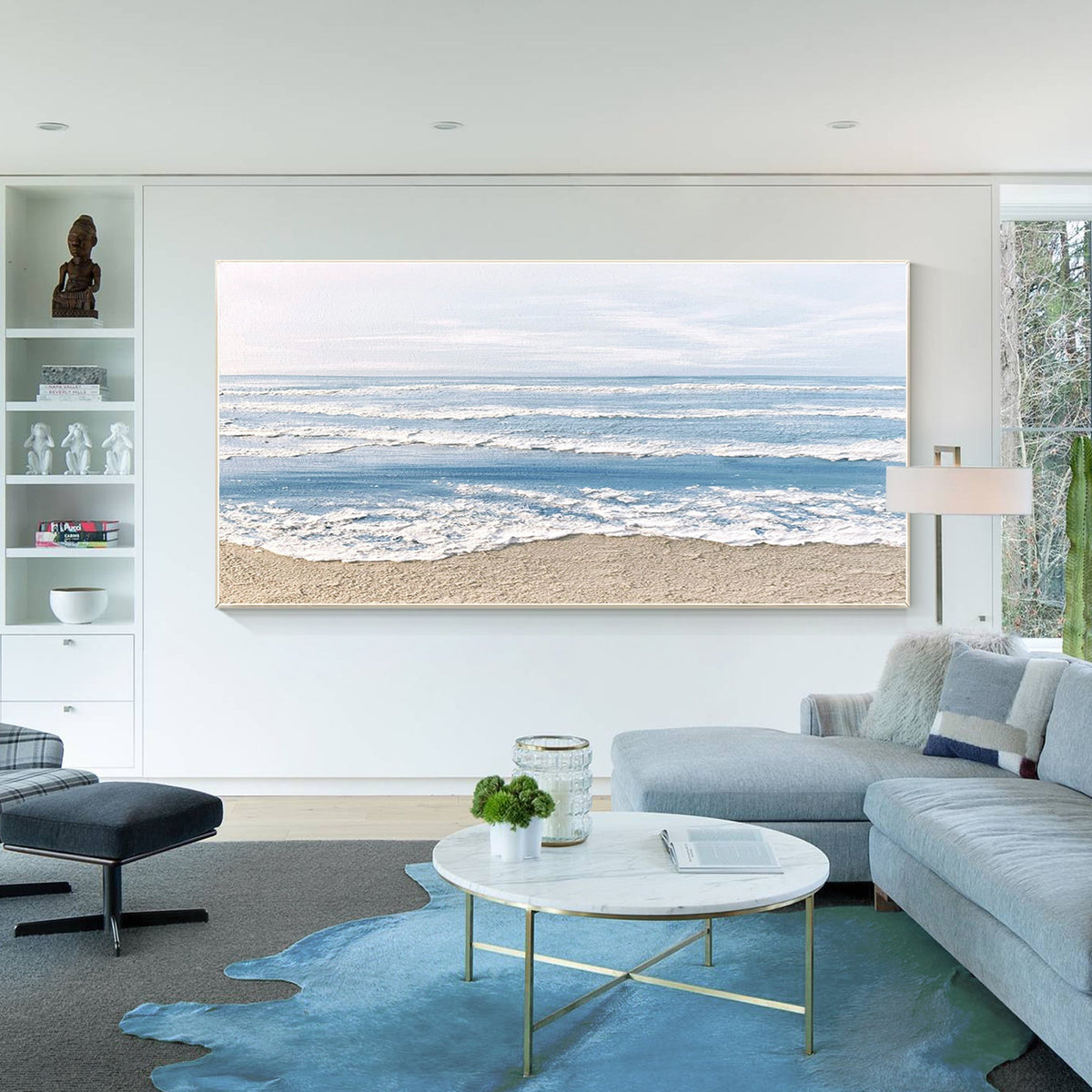
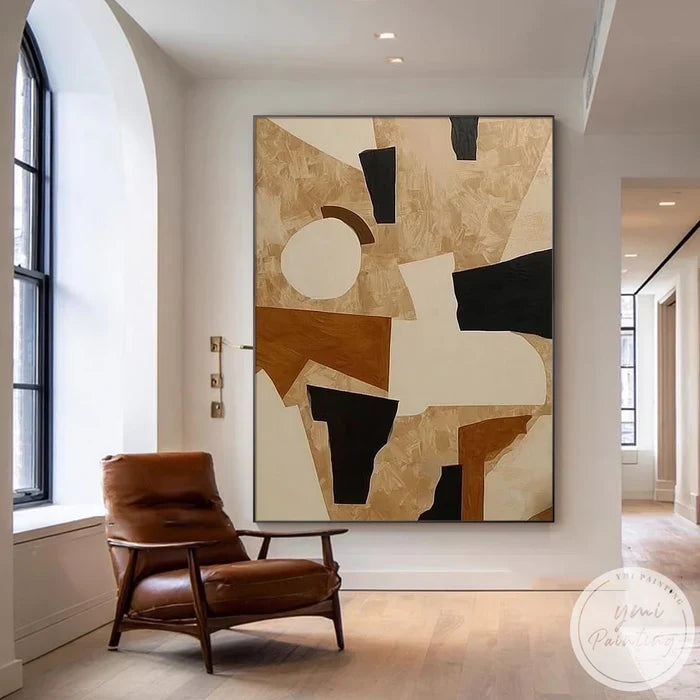
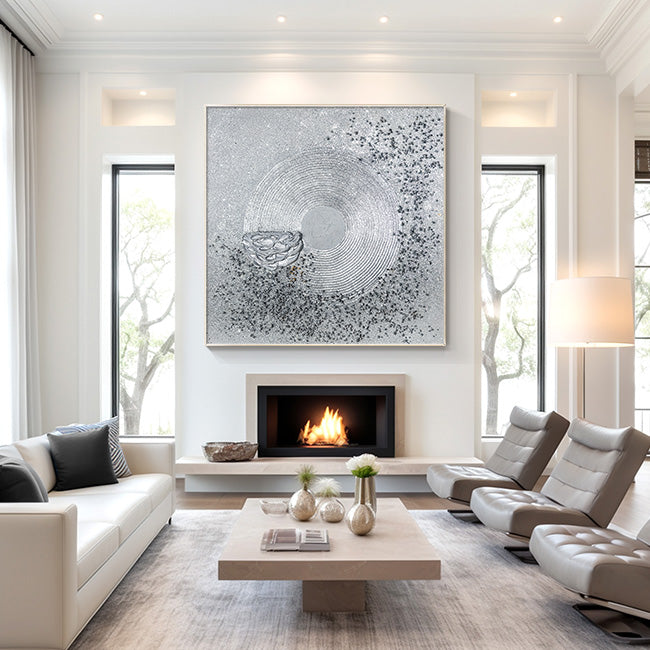
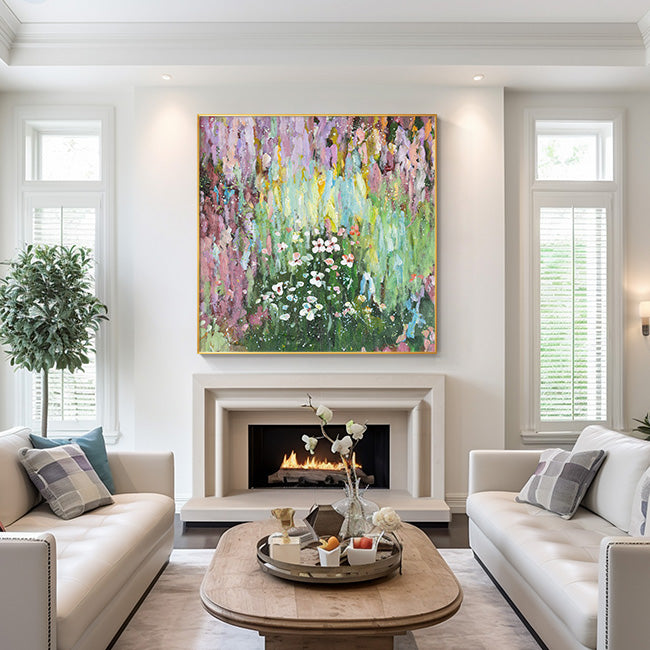
From soft neutral abstracts and organic textures to modern cityscape paintings with subtle reflections, the right artwork can transform an empty wall into a peaceful focal point without overwhelming the room.
What Is Japandi Interior Design?
Japandi is a design style that combines the simplicity of Japanese interiors with the warmth and functionality associated with Scandinavian design. Its characteristic elements include natural materials, uncluttered spaces, soft lighting, neutral colors, and carefully chosen decorative objects.
The philosophy is simple:
Less clutter. More intention.
Rather than filling a room with numerous decorative pieces, Japandi interiors focus on a smaller number of meaningful elements. Natural wood, linen, ceramics, plants, and minimalist artwork work together to create an environment that feels comfortable and visually balanced.
This is also why wall art plays such an important role in Japandi-inspired homes.

Why Japandi Wall Art Is Perfect for Modern Homes
A large wall can completely change the atmosphere of a room.
However, choosing artwork for a minimalist interior can be challenging. Artwork that is too colorful, busy, or visually heavy may compete with the clean lines of the furniture.
Japandi wall decor takes a different approach.
The artwork should complement the room rather than dominate it.
Nature-inspired subjects, organic forms, subtle textures, muted colors, and generous visual space are commonly associated with Japandi wall art.
This doesn't mean that every Japandi painting needs to be beige or completely monochromatic.
A carefully designed contemporary painting can introduce color while still maintaining the peaceful atmosphere of the room.

A Modern Interpretation: Cityscape Art Meets Japandi
The artwork shown in our featured room offers an interesting interpretation of Japandi style.
Instead of a traditional botanical print or neutral abstract, the painting presents a modern city skyline reflected across calm water.
The composition combines:
· Soft blue and warm golden tones
· Minimal architectural silhouettes
· Horizontal composition
· Atmospheric reflections
· Subtle transitions between colors
· A sense of openness and visual space
The result is a piece that feels contemporary while maintaining the calm visual rhythm that works so well with minimalist interiors.
The reflection of the skyline is particularly important.
Rather than presenting a busy city scene, the mirrored architecture creates a feeling of balance and stillness. This makes the artwork suitable for homeowners who want something more expressive than traditional neutral wall art while still maintaining a serene interior.

How to Choose Japandi Paintings for Your Home
1. Look for a Calm Color Palette
Color is one of the easiest ways to create a Japandi atmosphere.
Traditional Japandi interiors often use warm whites, beige, taupe, soft gray, natural brown, muted green, and other earthy shades.
However, modern Japandi can also incorporate carefully controlled blues and other subdued colors.
For example, a cityscape painting with soft blue, warm beige, gold, and muted architectural colors can introduce personality without making the room feel visually crowded.
The key is balance.
Instead of choosing a painting with many highly saturated colors, look for artwork where the colors blend naturally and create a cohesive overall impression.

2. Choose Artwork With a Strong Horizontal Composition
Large horizontal paintings work particularly well above sofas, consoles, beds, and dining tables.
A panoramic artwork can visually connect different pieces of furniture while making a room feel wider.
For example, a 40 × 20 inch horizontal painting can work beautifully above a sofa or console in a contemporary living room.
For larger walls, oversized artwork can create a stronger architectural presence.
Rather than using several small decorative pieces, one large painting can become the room's main visual anchor while keeping the surrounding space relatively uncluttered.
This "one strong focal point" approach fits naturally with the intentional simplicity associated with Japandi interiors
3. Pay Attention to Texture
Japandi isn't only about color.
Texture is equally important.
Natural wood, linen, ceramics, stone, woven fabrics, and textured wall art can add depth to an otherwise simple room.
A textured painting can be especially effective because it introduces visual and tactile interest without requiring additional decorative objects.
Try pairing textured wall art with:
· Light oak furniture
· Linen curtains
· Neutral sofas
· Handmade ceramics
· Woven rugs
· Natural plants
· Soft ambient lighting
The combination creates layers while keeping the overall room visually calm.

4. Match Your Wall Art With Natural Materials
Natural materials are a fundamental part of Japandi interiors. Wood, stone, linen, cotton, bamboo, wool, and ceramics are frequently used to create a warm and grounded atmosphere.
This makes framing particularly important.
A simple wooden frame can complement:
Light wood + beige walls + neutral furniture + natural textiles
For a more contemporary interpretation, a slim metallic or dark frame can create subtle contrast against a light-colored wall.
The goal is not necessarily to make the frame disappear.
Instead, it should visually connect the artwork with the furniture and architecture around it.
Japandi Wall Decor Ideas for Different Rooms
Japandi Living Room
The living room is one of the best places to introduce a large statement painting.
Place a horizontal artwork above the sofa and keep the surrounding decoration simple.
A large cityscape, abstract landscape, botanical composition, or textured neutral painting can serve as the focal point.
Complete the look with:
· A low-profile sofa
· Natural wood coffee table
· Neutral rug
· Ceramic vases
· One or two plants
· Warm lighting
The result is sophisticated without feeling overly decorated.
Japandi Bedroom
The bedroom should feel even quieter.
Choose artwork with softer colors, organic shapes, landscapes, botanical forms, or subtle abstract textures.
Place one large piece above the bed or create a simple two-piece composition.
Avoid artwork with overly sharp contrasts or complicated patterns if your goal is a restful atmosphere.
Japandi Dining Room
A dining room provides an opportunity to introduce slightly more expressive artwork.
A contemporary skyline painting can work particularly well here because it brings visual energy while maintaining a clean horizontal composition.
Pair it with a natural wood dining table, simple pendant lighting, ceramic tableware, and neutral textiles.

How Large Should Japandi Wall Art Be?
Scale is one of the most important factors when decorating with wall art.
A painting that is too small may look disconnected from the furniture, while artwork that is too large can overpower a small room.
For a sofa wall, consider artwork that occupies a substantial portion of the sofa's width while leaving comfortable visual space around it.
Large-format pieces are particularly effective when you want to create a minimalist look because one carefully selected artwork can replace several smaller decorative pieces.
For example:
20 × 40 inches
Ideal for sofas, consoles, bedrooms, and dining spaces.
24 × 48 inches
A stronger statement for larger walls.
30 × 60 inches or larger
Suitable for spacious living rooms, open-plan interiors, hotels, offices, and commercial spaces.
Always consider the wall, furniture dimensions, ceiling height, and viewing distance before choosing the final size.
Why Modern Cityscape Art Works in a Serene Interior
At first glance, a cityscape may seem very different from traditional Japandi artwork.
But the subject matter is only one part of the design.
What matters is how the city is represented.
A busy, highly detailed city scene can create visual noise.
A simplified skyline with atmospheric colors, open sky, and reflective water can create something completely different: a sense of distance, rhythm, and tranquility.
This is what makes a contemporary skyline painting particularly interesting for modern Japandi homes.
It brings the energy of the city into the home while presenting it through a calm and artistic perspective.
The reflected buildings almost appear to dissolve into the water, creating a visual transition between architecture and nature.

2026 Japandi Decor: Calm, Warm, and Personal
The evolution of Japandi design in 2026 is not simply about creating an empty minimalist room.
Instead, the emphasis is increasingly on creating spaces that feel intentional, warm, natural, and personal.
Recent design coverage continues to highlight warm neutrals, natural materials, texture, thoughtful lighting, and less visual clutter as important elements of contemporary calm interiors.
That means there is room for individuality.
Your Japandi home doesn't have to look exactly like everyone else's.
You can choose botanical art, abstract paintings, textured artwork, landscapes, or even contemporary cityscape art—as long as the piece works harmoniously with the room.

Final Thoughts
Japandi wall decor is ultimately about creating balance.
The best artwork doesn't necessarily need to be the most colorful or complicated piece in the room.
Sometimes, a simple composition, carefully controlled color palette, and generous sense of space can have a much stronger impact.
Whether you prefer neutral textured paintings, botanical artwork, abstract wall decor, or contemporary cityscape paintings, choose a piece that complements your furniture, materials, and lifestyle.
A well-chosen painting can do more than decorate an empty wall.
It can become the visual center of the room—and help turn your home into a place that feels calm, comfortable, and uniquely yours.
Discover our collection of Japandi-inspired paintings and modern wall decor to create your own serene interior in 2026.